
Introduction
Choosing the right foundation can transform your makeup routine, giving you a flawless, natural finish that lasts all day. However, with countless formulas, shades, and finishes available, finding the perfect match can feel overwhelming. Understanding your skin type is the key to making an informed choice and avoiding common foundation mistakes. Whether your skin is oily, dry, combination, or sensitive, selecting the right foundation ensures comfort, longevity, and a radiant look.
Foundation is more than just makeup; it’s the canvas for your entire face. The wrong product can accentuate imperfections, cause breakouts, or wear off quickly. By understanding your skin’s needs and characteristics, you can choose a foundation that enhances your natural beauty rather than masking it.
Understanding Your Skin Type
Before picking a foundation, it is crucial to identify your skin type. Skin types fall into four main categories: oily, dry, combination, and sensitive. Each type has unique characteristics that influence which formulas and finishes work best. Observing your skin’s behavior throughout the day and recognizing how it reacts to products is essential for making the right choice.
Oily Skin
Oily skin produces excess sebum, leading to shine and enlarged pores. People with oily skin often struggle with foundations that slide off or appear greasy within hours. Look for products labeled “oil-free” or “matte finish,” as these formulas help control shine and provide a smooth, even appearance. Powder or long-wear liquid foundations often work best. Ingredients like salicylic acid can help manage oil without compromising coverage.
Dry Skin
Dry skin tends to feel tight, flaky, or rough, especially in colder months. Foundations can settle into fine lines and dry patches, making skin appear uneven. Opt for hydrating or dewy-finish foundations enriched with moisturizing ingredients such as hyaluronic acid or glycerin. Cream and liquid foundations generally perform better than powders on dry skin, offering a smooth, luminous effect. Prepping skin with a nourishing moisturizer or primer enhances application and prevents cakiness.
Combination Skin
Combination skin displays characteristics of both oily and dry areas. Typically, the T-zone (forehead, nose, chin) is oily, while cheeks may be dry. Choosing a foundation for combination skin requires balance. Lightweight liquids or buildable formulas can provide hydration in dry areas and control shine where needed. Some people prefer using different products for different areas, such as a matte foundation on the T-zone and a dewy formula on cheeks.
Sensitive Skin
Sensitive skin can react easily to fragrances, harsh chemicals, or heavy formulations. Redness, irritation, or breakouts may occur if the foundation is not suitable. Hypoallergenic and non-comedogenic foundations are ideal. Mineral foundations are often recommended as they are gentle and offer natural coverage. Testing products on a small area before full application can prevent adverse reactions.
Determining Your Foundation Finish
Foundation finishes influence how your skin appears and interacts with light. They also affect the overall wear and feel of your makeup. Choosing the right finish ensures your foundation complements your skin type and desired look.
Matte Finish
Matte foundations absorb excess oil and reduce shine. They are excellent for oily and combination skin, especially in hot or humid climates. Matte finishes often provide medium to full coverage, making them suitable for covering blemishes or uneven tone.
Dewy Finish
Dewy foundations create a radiant, glowing complexion. They work best for dry or mature skin by reflecting light and giving a hydrated, youthful appearance. Avoid dewy formulas if you have oily skin, as they may increase shine.
Natural Finish
A natural finish foundation strikes a balance between matte and dewy. It mimics the skin’s natural texture and is suitable for most skin types. Natural finish foundations provide buildable coverage without looking heavy or cakey.
Choosing the Right Shade
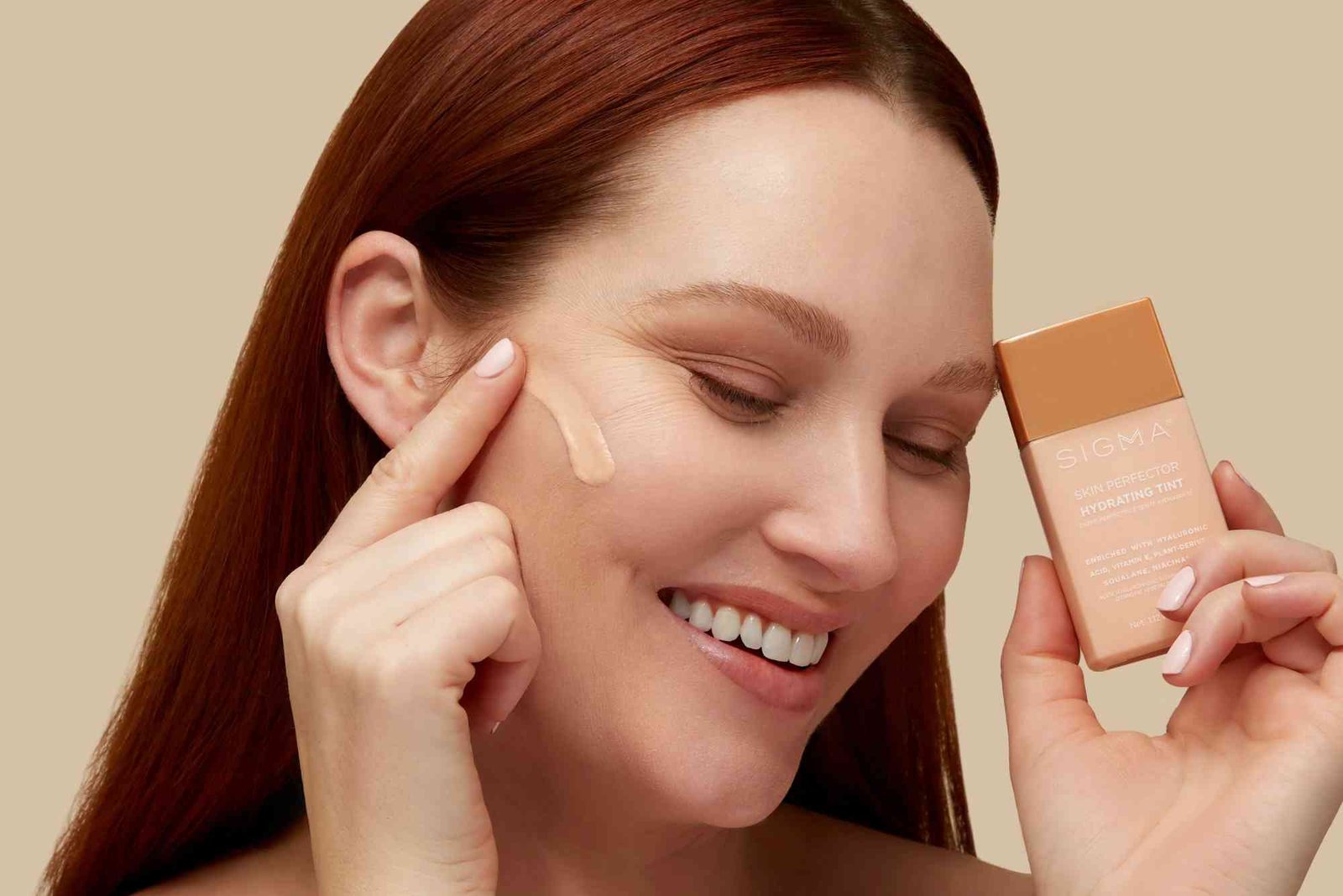
Even the perfect formula will fail if the shade doesn’t match your skin tone. Testing foundation on your jawline or neck in natural light helps ensure seamless blending. Undertones matter as much as depth. Warm undertones suit shades with yellow or golden hues, cool undertones pair with pink or rosy tones, and neutral undertones can work with balanced shades. Avoid relying solely on online swatches or packaging labels, as lighting and monitor displays can be misleading.
Considering Coverage and Texture
Foundations vary in coverage from sheer to full. Sheer foundations enhance natural skin while providing light coverage, suitable for those with minimal imperfections. Medium coverage works for everyday use, offering concealment while keeping a natural finish. Full coverage hides blemishes, redness, or pigmentation and is ideal for special occasions or photography. Texture is equally important. Lightweight formulas feel comfortable for long wear, while thicker creams may suit short-term or evening looks.
Testing and Application Tips
Testing foundation before purchase is crucial. Apply a small amount on the jawline, wait a few minutes, and observe how it blends and wears. Consider how it reacts with your moisturizer or primer. For application, tools such as brushes, sponges, or fingers can affect coverage and finish. A damp beauty sponge gives a flawless, airbrushed look, while brushes provide more precision. Always start with a small amount and build up coverage gradually.
Adjusting for Seasons and Skin Changes
Skin type and needs can change with seasons or lifestyle. Dry winter air may require more hydrating foundations, while summer heat favors oil-control formulas. Age, diet, and skincare routines also influence skin texture and foundation performance. Having a few foundation options ensures your makeup adapts to changing conditions and always looks natural.
Common Mistakes to Avoid
Applying the wrong foundation can ruin your makeup look. Avoid using shades that are too light or dark, as they create a mask-like effect. Skipping primer or moisturizer can affect application and wear. Heavy layers may cause cakiness, while neglecting to blend properly leaves harsh lines. Always consider your skin’s current condition before applying foundation.
Expert Advice for Longevity
For longer-lasting foundation, prep your skin with a gentle cleanser, moisturizer, and primer. Set the foundation with a light dusting of translucent powder if you have oily areas, and use a setting spray to lock in makeup for all-day wear. Touch-ups may be needed for combination or oily skin, but the right formula minimizes the need.
Choosing the right foundation for your skin type is about understanding your skin’s needs and selecting formulas that complement them. Whether your goal is matte perfection, luminous radiance, or a natural finish, the right foundation enhances your complexion while offering comfort and durability. Experiment, test, and adjust according to your skin type, undertone, and lifestyle to achieve a flawless, long-lasting look. Don’t rush the process; investing time in finding the perfect foundation transforms your makeup routine and boosts confidence.
Start exploring foundations today and find your perfect match for radiant, flawless skin that lasts all day. Your ideal foundation awaits.
Discover a world of insightful articles, expert tips, and valuable resources at our blog. Whether you’re looking to stay updated, learn something new, or find practical solutions, we’ve got you covered. Explore our curated content and join a community that values quality information and creativity. Start your journey today by visiting our homepage: Timberraze.com and unlock endless inspiration for your interests.
FAQ
What is the best foundation for oily skin?
Oil-free or matte foundations are best for controlling shine. Powder-based and long-wear liquids work well.
How can I make foundation last longer?
Prep skin with moisturizer and primer, apply in thin layers, and use setting powder or spray.
Should I choose foundation by shade or undertone?
Both matter. Match the shade to your skin depth and consider undertones for a natural look.
Can I use different foundations for different skin areas?
Yes, combination skin often benefits from using matte formulas on oily areas and dewy formulas on dry patches.
How do I know if a foundation is right for sensitive skin?
Look for hypoallergenic, non-comedogenic, and fragrance-free formulas. Test a small patch first.