
The Role of IT in Remote Work Success
Remote work has evolved from a temporary solution to a long-term business strategy. Organizations worldwide rely on technology to maintain productivity and collaboration. Understanding the role of IT in remote work success is critical for leaders, employees, and IT professionals alike. This article explores how IT supports remote operations, enhances security, and boosts overall efficiency.
Understanding the Importance of IT in Remote Work
IT as the Backbone of Remote Operations
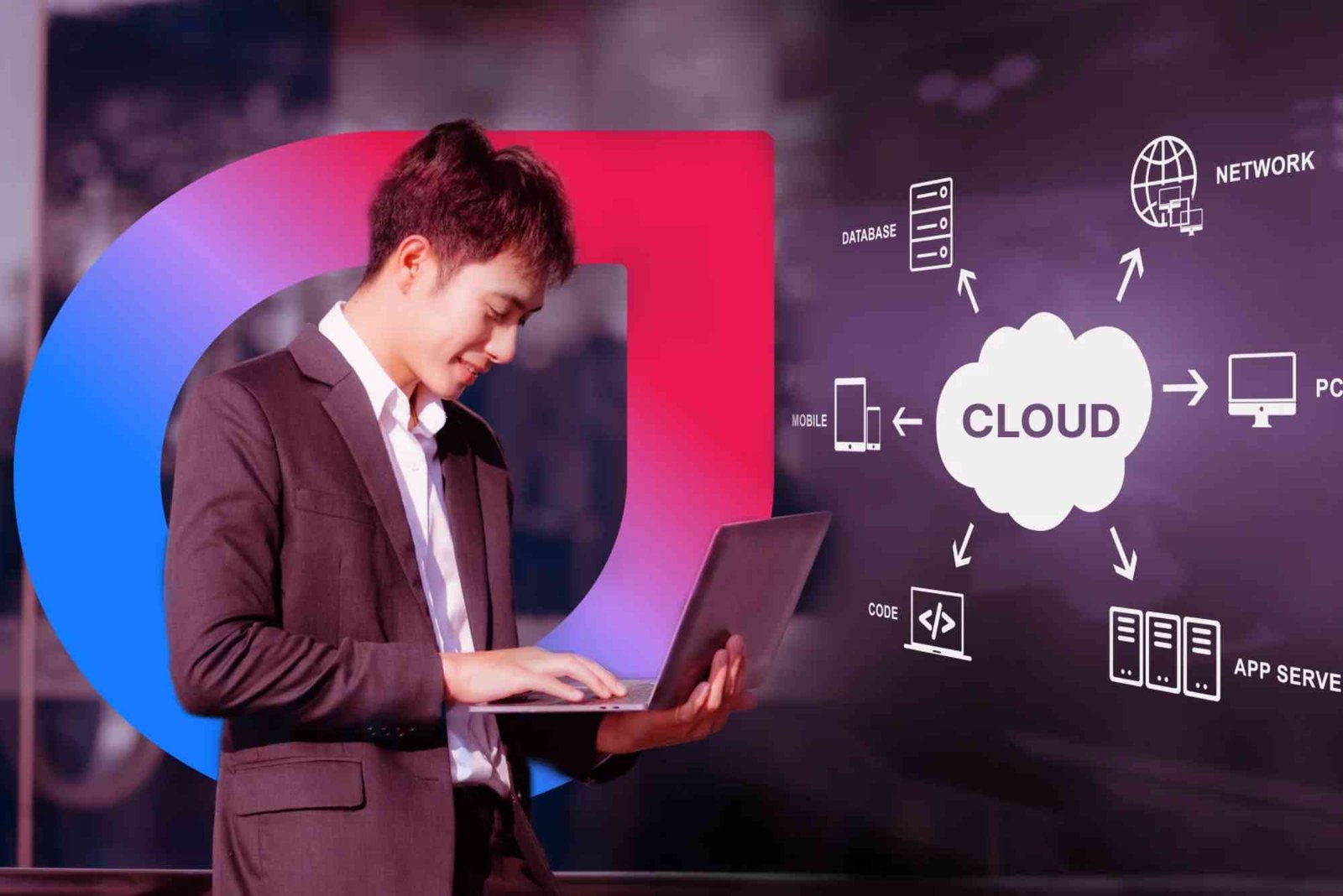
Information Technology forms the backbone of remote work. It enables employees to access company resources from anywhere, ensuring continuity. Without robust IT systems, remote work can lead to communication gaps, delays, and security vulnerabilities. Cloud platforms, collaboration tools, and remote access systems are essential to maintain smooth operations.
Enhancing Employee Productivity
IT solutions streamline workflows and automate routine tasks. Tools like project management software, instant messaging platforms, and video conferencing applications reduce downtime. Employees can focus on their core responsibilities rather than technical hurdles, increasing efficiency.
Key IT Tools Driving Remote Work Success
Cloud Computing and Storage Solutions
Cloud technology allows remote teams to store and access files securely. Employees can collaborate in real time, making document management seamless. Cloud solutions like Google Workspace, Microsoft 365, and Dropbox are widely used for their accessibility and reliability.
Collaboration and Communication Platforms
Effective communication is essential for remote work. Platforms such as Slack, Microsoft Teams, and Zoom facilitate real-time conversations. IT ensures these platforms are reliable, scalable, and integrated with other business tools.
Virtual Private Networks (VPNs)
VPNs provide secure remote connections to company networks. IT teams configure VPNs to protect sensitive data, reduce security risks, and comply with regulatory requirements.
Cybersecurity Measures
Cyber threats are a major concern in remote work. IT departments implement firewalls, multi-factor authentication, and endpoint protection. Regular software updates and security training ensure employees are prepared to handle threats effectively.
IT’s Role in Ensuring Business Continuity
Data Backup and Recovery
IT teams manage automated backup solutions to prevent data loss. In case of a system failure or cyberattack, quick data recovery maintains business continuity. This proactive approach minimizes downtime and operational disruption.
Remote Monitoring and IT Support
IT support plays a vital role in troubleshooting issues promptly. Remote monitoring tools detect performance issues and security breaches early. Employees benefit from timely assistance, reducing stress and ensuring smooth operations.
Challenges IT Faces in Remote Work
Network and Connectivity Issues
Remote employees often rely on home internet, which may be unstable. IT teams must implement solutions such as bandwidth management and redundancy to mitigate connectivity problems.
Security and Compliance Challenges
Remote work expands the attack surface for cyber threats. Ensuring compliance with data protection laws and industry regulations is complex but necessary. IT teams enforce strict security policies and monitor access regularly.
Technology Adoption and Training
Not all employees adapt easily to new tools. IT must provide training, clear documentation, and ongoing support. Successful adoption increases efficiency and reduces resistance to technology.
Best Practices for IT in Remote Work
Establishing Clear IT Policies
IT policies define acceptable use, security protocols, and access privileges. Clear policies reduce confusion and prevent data breaches. Employees understand expectations, improving overall compliance.
Investing in Scalable Tools
Organizations should invest in scalable IT solutions that grow with the company. Scalable cloud services, collaboration platforms, and security tools provide flexibility and future-proof operations.
Continuous Monitoring and Feedback
Regular performance monitoring and employee feedback help IT teams optimize systems. Identifying bottlenecks and addressing concerns ensures tools meet user needs effectively.
The Future of IT in Remote Work
IT will continue to evolve alongside remote work trends. Artificial intelligence, machine learning, and advanced cybersecurity solutions will play an increasing role. Organizations investing in innovative IT strategies will stay ahead, providing employees with efficient, secure, and productive work environments.
The role of IT in remote work success is undeniable. From providing reliable communication tools to ensuring security and business continuity, IT is central to remote operations. Companies that prioritize IT infrastructure and support create a productive, engaged, and secure remote workforce.
Start improving your remote work success today by evaluating your IT strategies and adopting advanced tools. Strong IT systems lead to seamless collaboration, efficiency, and growth.
FAQ
What is the role of IT in remote work success?
IT ensures employees have secure access to resources, reliable communication tools, and automated workflows, making remote work efficient and safe.
How can IT improve remote employee productivity?
IT provides collaboration tools, cloud solutions, and automation software, helping employees focus on tasks rather than technical hurdles.
What are common IT challenges in remote work?
Challenges include network instability, cybersecurity risks, technology adoption issues, and compliance with data protection regulations.
Why is cybersecurity crucial for remote work?
Remote work increases exposure to cyber threats. IT ensures data protection through VPNs, firewalls, and multi-factor authentication.
How does IT support business continuity for remote teams?
IT manages data backup, disaster recovery, and remote monitoring to maintain operations during disruptions or system failures.