
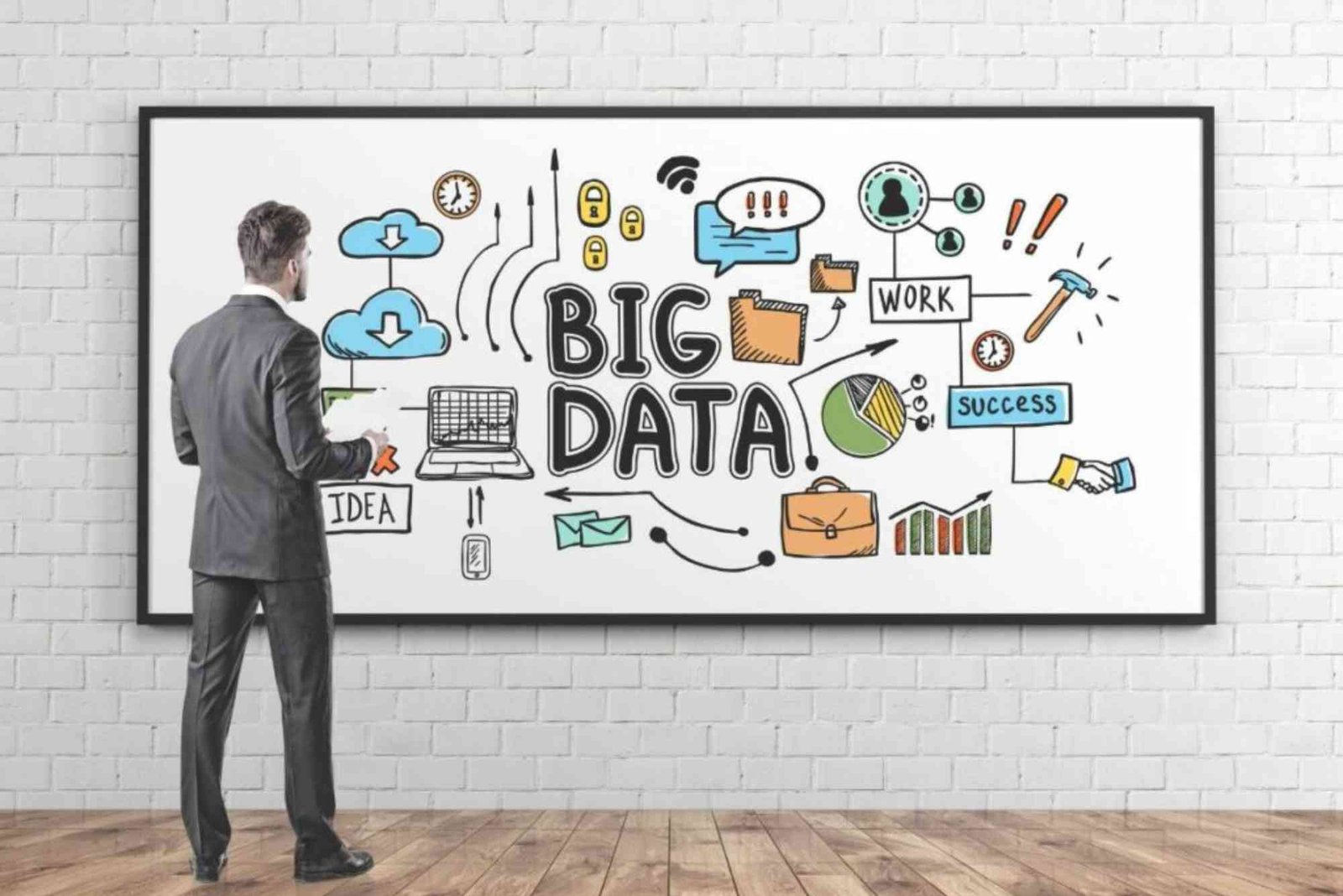
The Power of Big Data in Modern Businesses
In today’s fast-paced digital world, businesses generate an enormous amount of data every second. This data, when analyzed effectively, becomes a powerful tool that can transform decision-making, customer experiences, and overall business strategy. Understanding the power of big data in modern businesses is no longer optional—it’s a necessity for organizations aiming to stay competitive and innovative.
Understanding Big Data
What Is Big Data?
Big data refers to massive datasets that are too large or complex to process with traditional tools. It includes structured data, like sales records, and unstructured data, such as social media interactions or video content.
Characteristics of Big Data
Big data is often described by the “three Vs”:
Volume: Huge amounts of data generated daily.
Velocity: Data is created and processed at high speed.
Variety: Data comes in various forms, including text, audio, video, and more.
Some experts also add Veracity (accuracy of data) and Value (the usefulness of data insights).
The Role of Big Data in Business Decision-Making
Enhancing Strategic Planning
Companies can leverage big data to identify emerging market trends and customer preferences. By analyzing historical data and predictive models, businesses can make proactive decisions rather than reactive ones.
Optimizing Operations
Big data analytics helps streamline processes. From supply chain management to inventory tracking, data-driven insights reduce costs, improve efficiency, and prevent bottlenecks.
Improving Customer Experience
Modern consumers expect personalized experiences. Big data allows companies to understand individual preferences and behavior patterns. Personalized recommendations, targeted marketing campaigns, and real-time support are all powered by data insights.
Supporting Financial Decisions
Financial forecasting becomes more accurate with big data analytics. Companies can analyze revenue trends, optimize budgets, and identify potential risks before they escalate.
Key Applications of Big Data in Modern Businesses
Marketing and Sales Analytics
Businesses use big data to segment audiences, predict purchasing behavior, and optimize marketing campaigns. This approach increases conversion rates and ensures resources are allocated effectively.
Supply Chain Management
Big data tracks inventory levels, delivery times, and supplier performance. Real-time insights help prevent shortages, reduce waste, and enhance customer satisfaction.
Product Development
Companies can use big data to analyze customer feedback, market trends, and competitor products. This ensures that new products meet customer needs and have a higher chance of success.
Risk Management and Fraud Detection
Financial institutions and online platforms leverage big data to detect unusual patterns and prevent fraud. Advanced analytics can identify risks before they impact the business significantly.
Human Resources and Workforce Analytics
HR teams use data to monitor employee performance, predict turnover, and design effective talent strategies. Data-driven insights support better workforce planning.
Challenges of Implementing Big Data
Data Privacy and Security
Handling large volumes of sensitive information increases the risk of breaches. Businesses must comply with regulations and implement strong cybersecurity measures.
Integration Complexity
Data often exists in multiple silos across an organization. Integrating these datasets into a unified system requires time, expertise, and resources.
Talent and Expertise
Big data analysis demands skilled professionals such as data scientists, analysts, and engineers. A shortage of talent can slow adoption and reduce the value of insights.
Cost Considerations
Implementing big data solutions can be expensive. Organizations need to assess ROI and ensure that investments deliver measurable benefits.
The Future of Big Data in Modern Businesses
Big data is evolving with advanced technologies like artificial intelligence, machine learning, and the Internet of Things (IoT). These innovations allow businesses to:
Predict consumer behavior with greater accuracy
Automate routine processes
Create smarter, data-driven products and services
Make faster and more informed strategic decisions
As data continues to grow, companies that embrace big data analytics will have a competitive edge.
How to Start Leveraging Big Data
Identify Business Goals
Understand what you want to achieve, whether it’s improving customer experience, reducing costs, or enhancing operations.
Collect and Organize Data
Gather data from internal and external sources. Ensure data quality and accuracy before analysis.
Choose the Right Tools
Use analytics platforms that suit your business needs. Cloud solutions and AI-powered analytics are increasingly popular for their scalability and efficiency.
Implement Data-Driven Culture
Encourage employees at all levels to use data in decision-making. Training and awareness are critical for successful adoption.
Monitor and Adapt
Regularly evaluate analytics outcomes and adjust strategies as needed. Big data is dynamic, and insights should guide continuous improvement.
FAQ on Big Data in Modern Businesses
What is the main advantage of big data for businesses?
The main advantage is actionable insights that improve decision-making, efficiency, and customer satisfaction.
How do companies use big data for marketing?
Businesses analyze customer behavior, segment audiences, and personalize campaigns to increase engagement and sales.
What are the challenges of big data implementation?
Challenges include data privacy concerns, integration complexity, talent shortages, and high costs.
Can small businesses benefit from big data?
Yes, small businesses can use affordable analytics tools to optimize operations, marketing, and customer engagement.
How is AI related to big data?
AI leverages big data for predictive analytics, automation, and smarter decision-making.
How do companies ensure data security?
Businesses implement encryption, access controls, and compliance with data privacy regulations.
The power of big data in modern businesses is undeniable. It enables smarter decision-making, operational efficiency, and better customer experiences. Companies that harness big data effectively can outperform competitors, innovate faster, and adapt to market changes with agility.
Embracing big data doesn’t have to be overwhelming. Start small, focus on your key business goals, and scale your data initiatives strategically.
Take the first step today—explore analytics tools, invest in training, and transform your business with the insights that big data provides.