Introduction
Choosing the right colors for home decoration is one of the most important steps in creating a beautiful and comfortable living space. Colors influence mood, perception, and even the way we experience space. When done correctly, they can make a small room feel bigger, a dull room feel lively, and an ordinary home feel elegant and welcoming. Understanding how to choose the right colors for home decoration helps you design a space that reflects your personality while maintaining balance and harmony.
Color selection is not just about personal preference. It involves understanding lighting, room size, furniture style, and emotional impact. A thoughtful approach ensures that every room in your home feels connected and visually pleasing.
Understanding the Importance of Color in Home Decoration
Color plays a powerful role in interior design because it directly affects human emotions and behavior. When learning how to choose the right colors for home decoration, it is essential to first understand what colors represent.
Warm colors like red, orange, and yellow create energy and excitement. They are often used in social spaces like living rooms or dining areas. On the other hand, cool colors like blue, green, and lavender bring calmness and relaxation, making them ideal for bedrooms and bathrooms. Neutral colors such as white, beige, and grey provide balance and flexibility.
When you understand these emotional effects, you can easily start deciding how to choose the right colors for home decoration based on each room’s purpose.
Analyzing Room Size and Natural Light
One of the most practical aspects of how to choose the right colors for home decoration is evaluating room size and lighting conditions. These two factors can completely change how a color appears.


Smaller rooms benefit from lighter shades because they reflect more light and create an illusion of space. White, cream, and pastel tones are commonly used for this purpose. Larger rooms, however, can handle darker or richer colors without feeling cramped.
Natural light also plays a major role. A room with plenty of sunlight can support deeper tones, while darker rooms require lighter colors to avoid feeling closed in. Artificial lighting should also be considered because warm or cool bulbs can slightly change the appearance of paint colors.
Choosing a Color Scheme That Matches Your Style
When thinking about how to choose the right colors for home decoration, your personal style should guide your decisions. Every home has a unique personality, and the color scheme should reflect it.
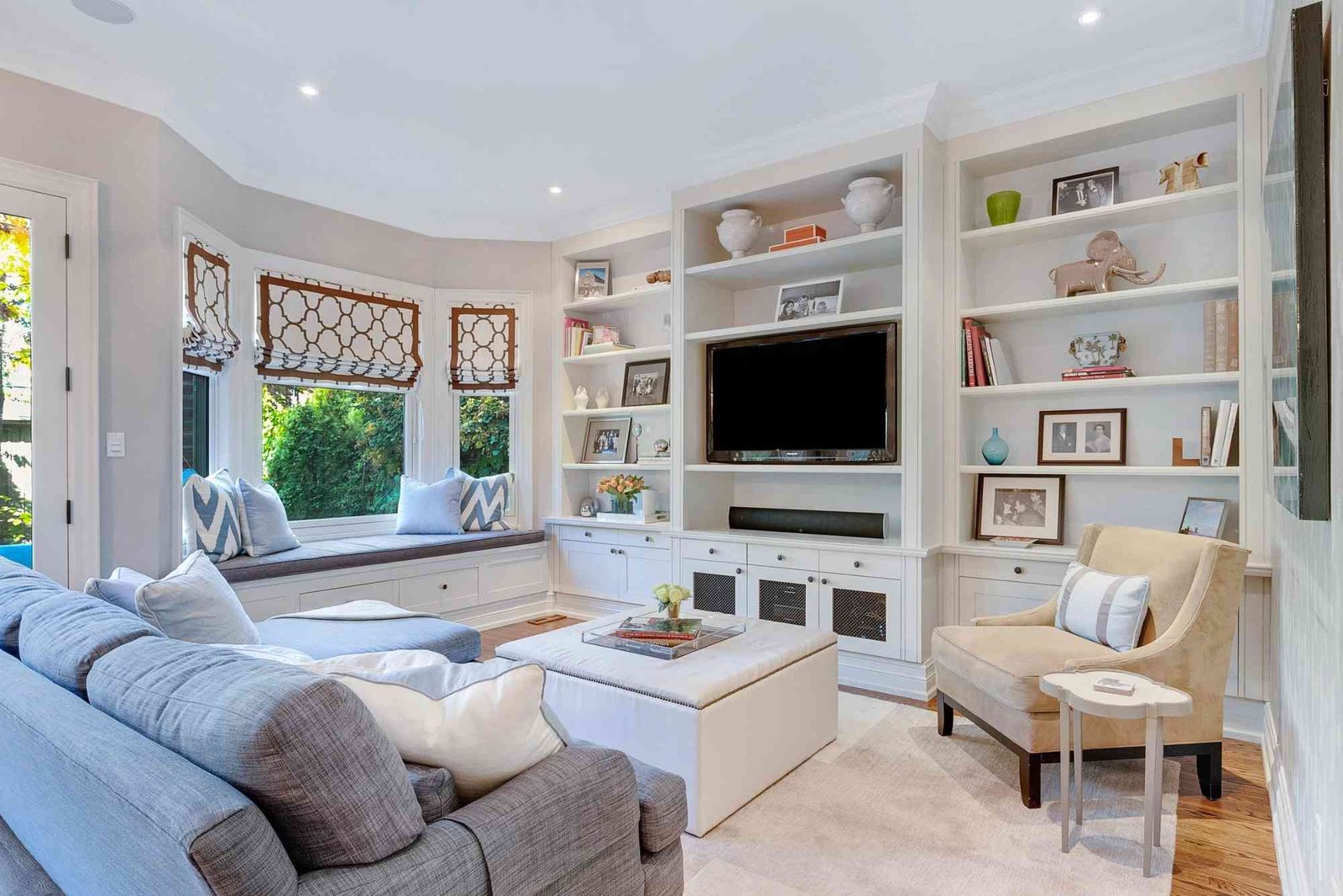
Minimalist designs often use neutral palettes like white, grey, and black. These create a clean and modern look. Traditional homes may use warm and rich tones such as brown, gold, and deep red. Contemporary interiors often mix bold accent colors with neutral backgrounds for contrast and visual interest.
It is important to stay consistent throughout your home. A well-planned color scheme ensures that all rooms feel connected, even if they serve different purposes.
Using the 60-30-10 Rule for Balance
A helpful guideline in how to choose the right colors for home decoration is the 60-30-10 rule. This principle helps maintain balance in any space.
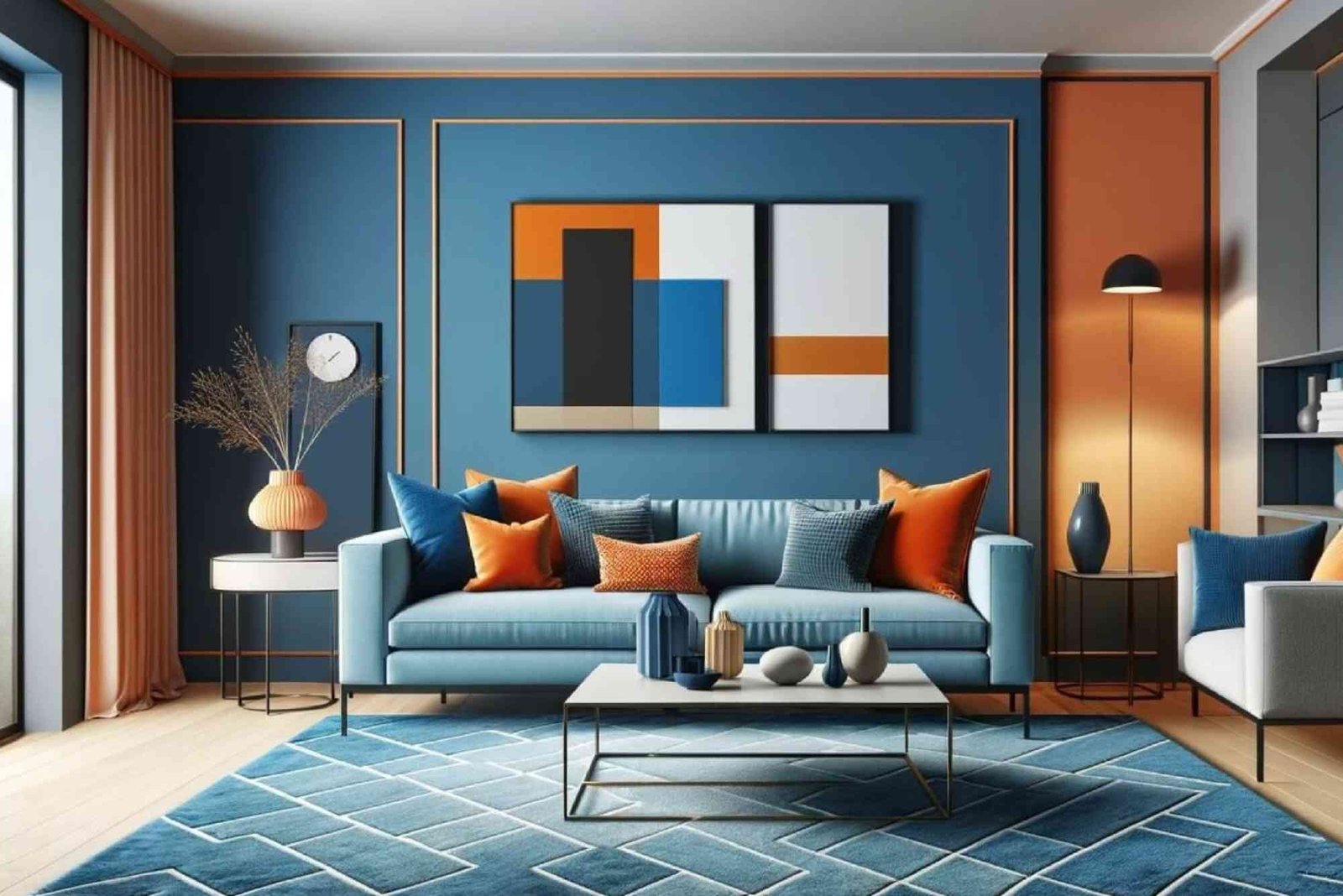
The main color should cover about 60% of the room, usually seen in walls. The secondary color takes up 30%, often used in furniture or large décor items. The remaining 10% is the accent color, which adds personality through cushions, artwork, or decorative pieces.
This rule ensures that no color overwhelms the space. Instead, it creates a visually balanced and pleasing environment that feels professionally designed.
The Role of Psychology in Color Selection
Understanding color psychology is essential when learning how to choose the right colors for home decoration. Different colors influence emotions in unique ways.
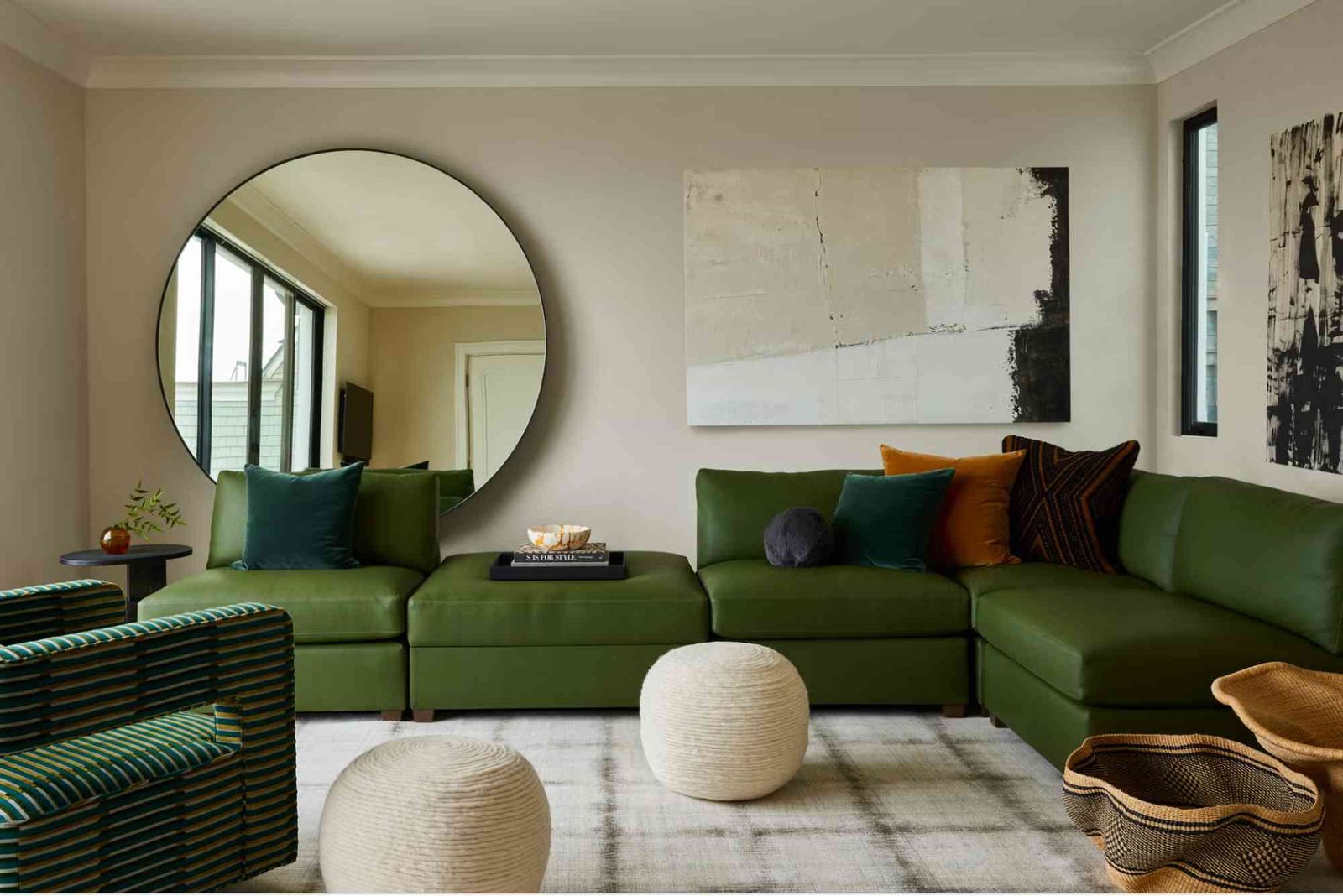
Blue promotes calmness and focus, making it ideal for bedrooms or study rooms. Green represents nature and balance, creating a refreshing atmosphere. Yellow brings happiness and energy but should be used carefully in large amounts. Red adds passion and warmth but is best used as an accent color rather than a dominant shade.
By applying color psychology, you can design spaces that not only look good but also feel right emotionally.
Matching Colors with Furniture and Decor
Another key aspect of how to choose the right colors for home decoration is coordinating wall colors with furniture and décor items. A well-matched interior creates harmony and avoids visual confusion.
If your furniture is bold or colorful, neutral wall colors work best to balance the look. If your furniture is simple or minimal, you can experiment with stronger wall colors. The goal is to ensure that no single element dominates the space.
Textures also matter. Wooden furniture pairs well with earthy tones, while modern metal or glass furniture works better with cooler shades.
Considering Trends Without Losing Personal Style
Interior design trends change frequently, but your home should reflect your personality more than trends. While exploring how to choose the right colors for home decoration, it is fine to take inspiration from current styles, but avoid copying them completely.
For example, earthy tones and natural palettes are currently popular. However, if they do not match your taste, you can modify them to suit your comfort. The best interiors are timeless rather than overly trendy.
A balanced approach ensures your home remains stylish for years without needing frequent changes.
Creating Flow Between Rooms
A professional approach to how to choose the right colors for home decoration involves creating color flow throughout the house. This means ensuring that colors transition smoothly from one room to another.
You do not need to use the same color everywhere, but the shades should complement each other. For example, a soft beige living room can transition into a light grey hallway and a pale blue bedroom. This creates unity and harmony in the overall design.
Consistent flooring and trim colors also help maintain visual flow across different spaces.
Testing Colors Before Final Decision
Before committing to a color, always test it in real conditions. This is an essential step in how to choose the right colors for home decoration.
Paint small sections of your wall and observe them at different times of the day. Colors can look different in morning light, afternoon sunlight, and artificial lighting at night. This helps you avoid costly mistakes and ensures satisfaction with the final result.
Never rely only on paint samples or online images, as real-life conditions often differ significantly.
Common Mistakes to Avoid
Many homeowners struggle with how to choose the right colors for home decoration because of avoidable mistakes. One common mistake is using too many bold colors in a single space, which creates visual chaos.
Another mistake is ignoring lighting conditions, which can make colors appear dull or too harsh. Some people also choose colors based only on trends, without considering long-term satisfaction.
Avoiding these mistakes ensures a more balanced and visually appealing home interior.
Conclusion
Choosing the perfect colors for your home is a creative yet thoughtful process. When you understand how to choose the right colors for home decoration, you can transform any space into a comfortable and visually stunning environment. From understanding color psychology to balancing tones and testing shades, every step contributes to a better-designed home.
Take your time, explore different combinations, and trust your instincts. A well-planned color scheme can completely change the feel of your home and improve your daily living experience.
If you are planning your home makeover, start experimenting with color combinations today and create a space that truly reflects your personality and lifestyle.
FAQ
What is the best color for home decoration?
The best color depends on room purpose, lighting, and personal preference. Neutral tones are generally the safest choice.
How do I choose a color scheme for my house?
Start with a base color, then add complementary and accent colors using a balanced approach like the 60-30-10 rule.
Which colors make a room look bigger?
Light colors such as white, cream, and pastels make rooms appear more spacious and open.
What colors are trending for home interiors?
Earthy tones, soft neutrals, and natural greens are currently popular in modern interior design.
How many colors should be used in a room?
Typically, three main colors work best: a dominant color, a secondary color, and an accent color.
Related Reading: Best Tips For Decorating Your Home With Bold Colors
Related Reading: How To Choose The Right RugsFor Your Home
Related Reading: How To Choose The Right Curtains For Every Room
Related Reading: How to Choose the Right Foundation for Your Skin Type — full guide
Related Reading: How To Use Shelves For Decoration And Storage — full guide