How to Add Texture to Your Home Decor
Adding texture to your home decor is one of the simplest ways to create a cozy, inviting, and visually appealing space. Texture adds depth, interest, and personality to any room, transforming flat or plain interiors into spaces that feel warm and dynamic. Whether you’re redesigning a single room or giving your entire home a refresh, understanding how to incorporate texture can elevate your design.
Texture can be tactile, visual, or both. Tactile texture invites touch, while visual texture creates the illusion of depth. Using texture thoughtfully allows you to balance colors, shapes, and furniture while creating a harmonious design that feels alive.
Why Texture Matters in Home Decor
Adding texture is more than just aesthetics. It affects the mood, comfort, and perception of space. Smooth surfaces can feel modern and sleek, while rough or patterned textures evoke warmth and personality. Texture also guides the eye, highlighting features, creating focal points, and breaking monotony.
Layering textures prevents a room from feeling flat. For instance, combining soft fabrics with natural wood or metals creates a layered look that’s both stylish and functional. Thoughtful use of texture can even influence how spacious a room feels.
How to Add Texture with Fabrics
Use Layered Soft Furnishings
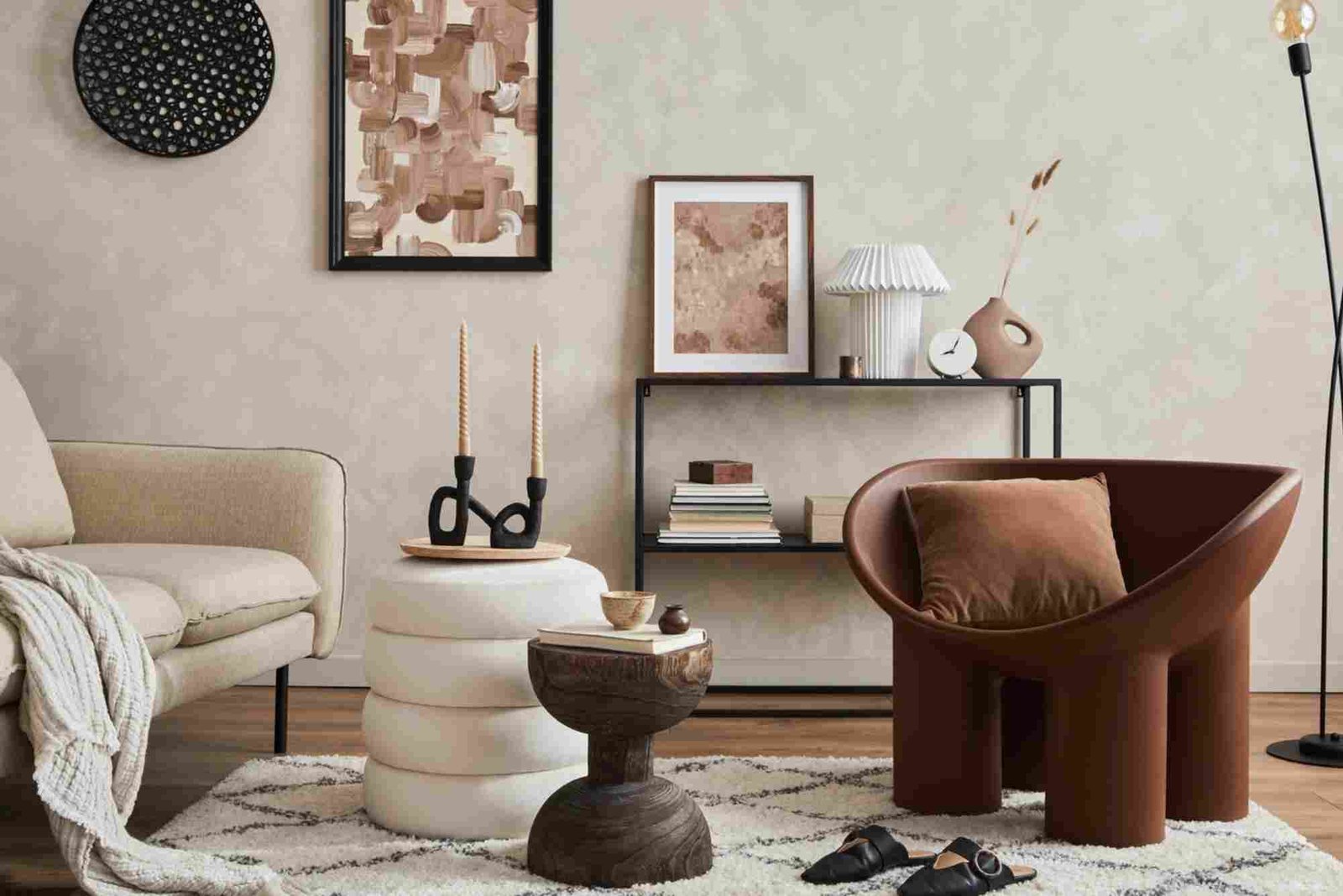
Soft furnishings are one of the easiest ways to introduce texture. Think plush rugs, velvet cushions, knitted throws, and linen curtains. Layering these items creates a multidimensional feel that makes spaces feel lived-in and inviting. Mixing fabrics of different weights and finishes, like silk and wool, adds subtle contrast without overwhelming the room.
Experiment with Patterns and Weaves
Fabrics with patterns or distinct weaves naturally introduce texture. A chunky knit blanket, a woven wall tapestry, or a patterned rug instantly adds depth. Avoid matching all patterns; instead, mix subtle prints with bold ones to create visual interest while maintaining balance.
How to Add Texture with Furniture
Mix Materials and Finishes
Furniture offers a great opportunity to incorporate texture. Combining wooden tables with metal legs, leather chairs with fabric cushions, or glass accents with matte finishes creates contrast that feels dynamic. Opting for furniture with carved details or textured surfaces enhances the tactile quality of a room.
Include Statement Pieces
Consider adding a statement piece with strong texture, such as a reclaimed wood coffee table, a velvet armchair, or a sculptural bench. These pieces not only function but also act as conversation starters, adding personality and character to your decor.
How to Add Texture with Walls and Floors
Apply Wall Treatments
Textured walls can dramatically change the feel of a room. Options include shiplap, brick, stone veneers, or textured wallpaper. Painting walls with a matte or suede finish also adds subtle depth. Accent walls can highlight texture without overwhelming the space.
Layer Rugs and Carpets
Floor textures enhance both style and comfort. Layering rugs of different materials, such as jute, wool, or sheepskin, adds dimension while defining areas in open-plan spaces. Mixing high-pile and low-pile rugs creates a tactile experience that’s pleasing underfoot.
How to Add Texture with Accessories
Use Natural Elements
Incorporating natural elements such as plants, wicker baskets, wood bowls, or stone sculptures brings organic texture into your home. These items introduce warmth and contrast, balancing modern or minimalist spaces with earthy textures.
Add Metallic and Glass Accents
Metallic finishes and glass surfaces offer reflective texture that complements softer elements. Copper, brass, and gold can add subtle shine, while etched glass or frosted surfaces create layered visual interest. Accessories like mirrors, vases, and candleholders enhance texture without cluttering the room.
How to Add Texture with Art and Decor
Display Textured Artwork
Art adds both visual and tactile texture. Canvas paintings, mixed media art, and three-dimensional wall sculptures provide depth and interest. Framed textiles or embroidered pieces are another way to combine art with texture, making walls feel more dynamic.
Incorporate Handmade and Vintage Items
Handcrafted items often have unique textures that mass-produced pieces lack. Vintage or artisanal items like pottery, woven trays, or embroidered pillows add authenticity and character to your space. They make your decor feel curated rather than generic.
How to Balance Texture in Your Home
Too much texture can overwhelm a space, while too little makes it feel flat. The key is balance. Mix smooth and rough surfaces, soft and hard materials, and tactile and visual textures. Consider scale and proportion: large textured elements work best with smaller, subtler textures around them. Keeping a cohesive color palette ensures textures enhance rather than clash.
Layering textures in a thoughtful way creates harmony. For example, pair a plush sofa with a rough-hewn wood coffee table and a metallic lamp. Use soft textiles to soften hard surfaces, and natural elements to bring warmth to sleek modern designs.
Adding texture to your home decor transforms any room from ordinary to extraordinary. By thoughtfully combining fabrics, furniture, wall treatments, accessories, and art, you can create spaces that feel warm, dynamic, and visually interesting. Start small with a few textured elements or go bold with layered layers throughout your home.
Bring your home to life today—experiment with textures, mix materials, and create spaces that feel welcoming and stylish. Your decor is only limited by your creativity.
FAQ
What is the easiest way to add texture to a room?
Start with soft furnishings like rugs, pillows, and throws. They instantly add warmth and depth.
Can texture make a small room feel larger?
Yes. Using layered textures and varied finishes draws the eye, creating a sense of depth.
How do I mix textures without clashing?
Balance is key. Pair rough with smooth, soft with hard, and stick to a cohesive color palette.
Are natural materials better for adding texture?
Natural materials like wood, stone, and plants add warmth and authenticity, making spaces feel inviting.
Can artwork add texture to my home decor?
Absolutely. Canvas paintings, mixed media art, and wall sculptures create visual and tactile interest.