
How Digital Payments Are Changing the World
Digital payments are reshaping the way people interact with money globally. From shopping online to sending funds across borders, digital transactions are faster, safer, and more convenient than ever. As the world becomes increasingly connected, understanding how digital payments are changing the world is essential for businesses, consumers, and governments alike.
The Rise of Digital Payments
Growth of Online Transactions
Online shopping has surged, especially after global events accelerated digital adoption. Consumers now expect seamless payment experiences when buying goods or services. Platforms like PayPal, Apple Pay, and Google Wallet make transactions simple, secure, and instantaneous.
Mobile Wallets and Contactless Payments
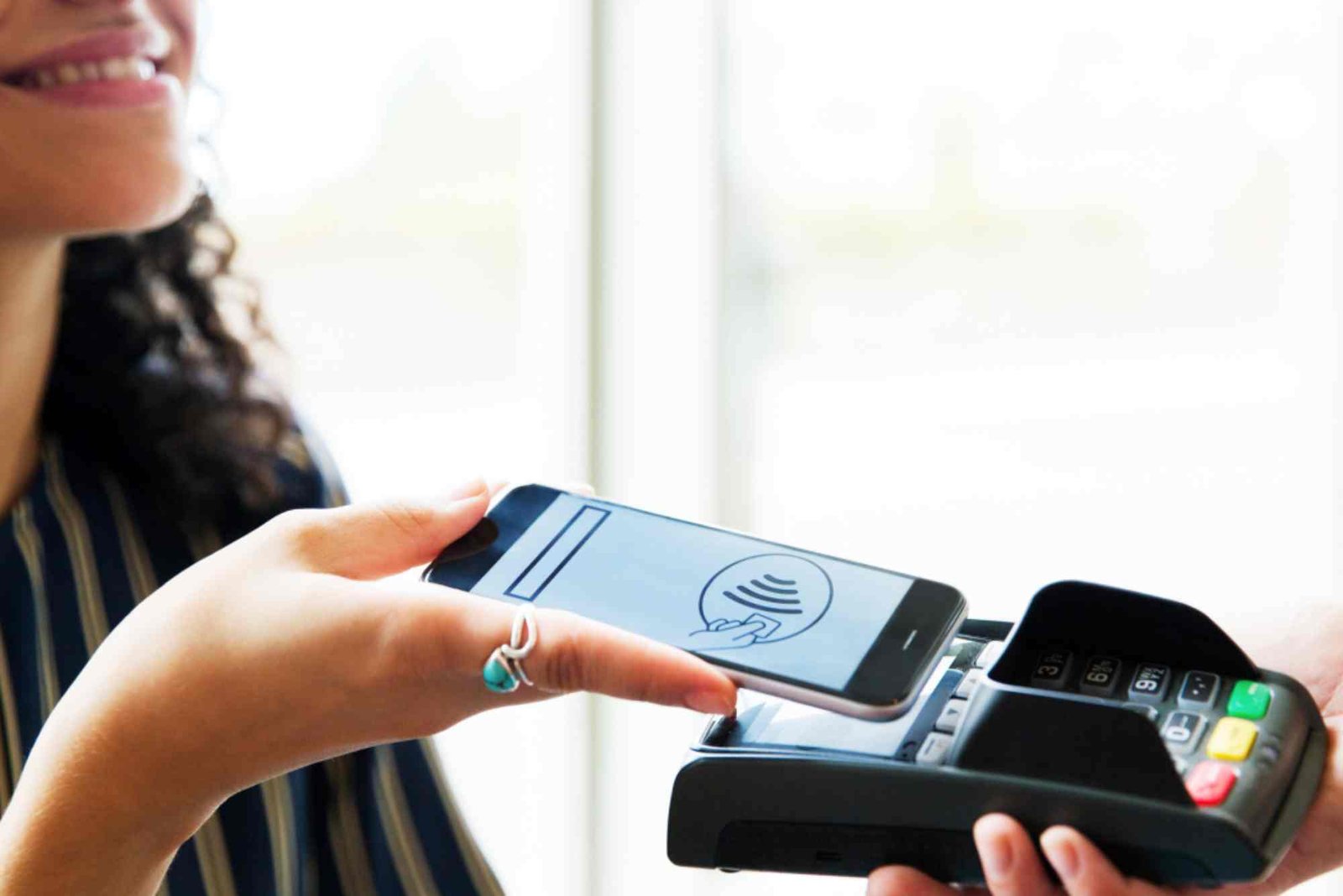
Mobile wallets and contactless payments have revolutionized day-to-day purchases. People no longer carry cash, instead using smartphones or wearables for quick transactions. This shift has reduced physical contact, enhanced convenience, and encouraged financial inclusivity.
Global Acceptance and Financial Inclusion
Digital payments are bridging gaps in financial accessibility. In developing regions, mobile payment systems allow people without traditional bank accounts to participate in commerce. Governments and fintech startups are enabling millions to send, receive, and save money digitally.
Advantages of Digital Payments
Convenience and Speed
Digital payments eliminate long queues and simplify bill payments. Transactions can be completed in seconds, whether online or in-store. This speed benefits both consumers and businesses by enhancing efficiency and customer satisfaction.
Security and Fraud Prevention
Advanced encryption and authentication make digital payments safer than traditional cash handling. Many platforms use biometric verification, two-factor authentication, and real-time monitoring to prevent fraud and unauthorized access.
Transparency and Record-Keeping
Digital payments provide detailed transaction records. Consumers can track spending, and businesses can monitor cash flow accurately. This transparency reduces errors, simplifies accounting, and strengthens trust in financial systems.
Digital Payments in E-Commerce
Simplifying Online Purchases
E-commerce relies heavily on smooth payment systems. The integration of digital wallets and credit cards reduces friction during checkout, increasing conversion rates for online retailers.
Cross-Border Transactions
Digital payments make international trade easier. Consumers can pay in local currency while merchants receive funds instantly, bypassing complex banking procedures and high transfer fees.
Supporting Small Businesses
Small businesses benefit significantly from digital payments. Platforms allow them to accept online orders, receive instant payments, and compete with larger companies globally.
Impact on Traditional Banking
Decline in Cash Usage
As digital payments grow, cash usage is declining. Banks are adapting by offering mobile apps, online banking, and contactless card services to stay relevant.
Emerging Fintech Solutions
Fintech companies are challenging traditional banking models. They offer peer-to-peer payment apps, digital loans, and automated investment platforms, making financial services more accessible and affordable.
Encouraging Financial Literacy
Digital payment systems often include educational tools, helping users understand budgeting, savings, and spending patterns. This empowers individuals to make informed financial decisions.
Technological Innovations Driving Change
Blockchain and Cryptocurrencies
Blockchain ensures secure, transparent transactions and supports cryptocurrencies like Bitcoin and Ethereum. These innovations are changing investment, remittances, and cross-border payments.
Artificial Intelligence and Machine Learning
AI monitors transactions in real time to detect fraud patterns. Machine learning helps financial institutions predict consumer behavior, optimize services, and enhance user experiences.
Internet of Things (IoT) Integration
IoT devices, such as smart fridges and connected cars, are enabling automated payments. For example, a smart device can reorder products and pay automatically, reducing manual intervention.
Challenges Facing Digital Payments
Cybersecurity Risks
Despite strong protections, cyber threats remain. Data breaches and phishing attacks are major concerns, requiring constant vigilance and technological upgrades.
Regulatory Compliance
Digital payments must comply with financial regulations across countries. Differing rules make global operations complex, necessitating close coordination with legal frameworks.
Digital Divide
Not everyone has access to smartphones or stable internet. Bridging this gap is crucial for ensuring equitable financial inclusion worldwide.
The Future of Digital Payments
Digital payments will continue to expand, driven by innovation and user demand. Expect wider adoption of blockchain, AI-driven financial insights, and even more seamless mobile and wearable payment options. Cashless societies may become the norm in many regions, emphasizing speed, convenience, and security in all financial transactions.
FAQs About Digital Payments
What are digital payments?
Digital payments are transactions made electronically without physical cash, using methods like mobile wallets, credit cards, or online banking.
How secure are digital payments?
Most platforms use encryption, biometric authentication, and fraud monitoring, making digital payments safer than carrying cash.
Can digital payments replace traditional banking?
While digital payments complement banking, they are unlikely to fully replace banks. They enhance services and accessibility but still rely on financial infrastructure.
How do digital payments support small businesses?
They enable instant payments, online sales, and cross-border transactions, helping small businesses compete in a global market.
Are digital payments available worldwide?
While widely adopted, access varies. Some regions face barriers due to internet availability, technology access, or regulatory challenges.
Understanding how digital payments are changing the world is essential for anyone navigating today’s financial landscape. They provide speed, convenience, security, and inclusivity, benefiting individuals and businesses alike. As technology evolves, the impact of digital payments will only grow stronger, shaping commerce and daily life.
Embrace digital payments today to streamline transactions, enhance security, and join the global financial revolution. Start exploring trusted platforms and make your payments faster and safer.