Introduction
The best all-in-one SEO tools for SEO resellers in 2026 help agencies manage multiple clients, improve website performance, and deliver measurable results. SEO reselling requires more than keyword research. It involves technical audits, competitor analysis, backlink monitoring, content optimization, and professional reporting. Managing these activities separately can increase costs and create unnecessary complexity.
An integrated SEO platform brings essential features into one workflow. It allows resellers to analyze websites, identify ranking opportunities, monitor progress, and communicate results effectively. However, choosing the right platform requires understanding your business model, client requirements, and budget.
Whether you operate a small agency or manage a growing reseller business, the right software can improve efficiency. This guide explains what to look for, how different platforms compare, and why an integrated approach matters in 2026.
Why SEO Resellers Need All-in-One SEO Tools in 2026
SEO resellers often manage campaigns for businesses across different industries. Each client may require different keywords, technical improvements, content strategies, and reporting schedules. Without a consistent system, handling these responsibilities becomes difficult.
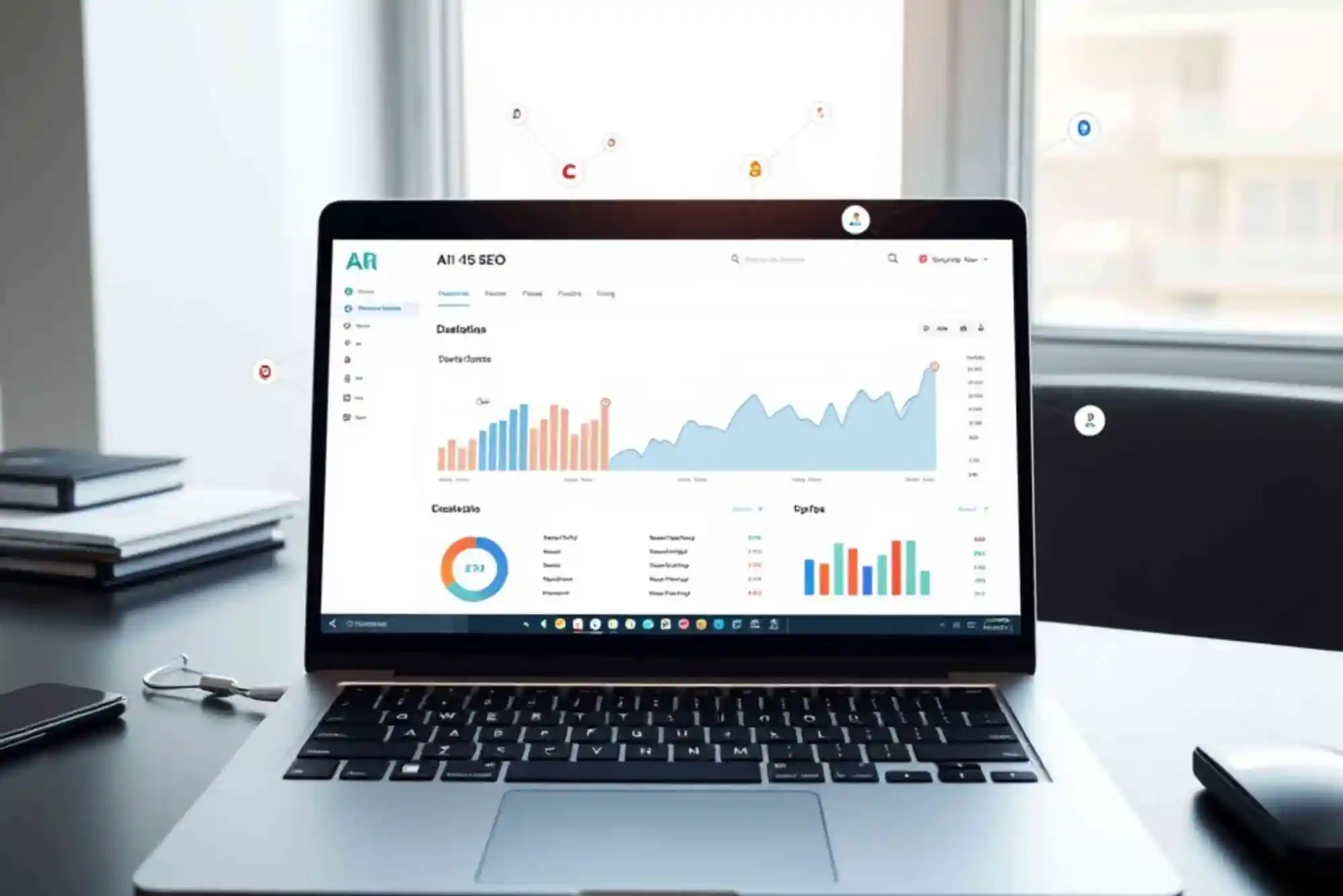
All-in-one platforms simplify these operations by combining several SEO functions. Resellers can research keywords, inspect technical issues, evaluate competitors, and track rankings from a central dashboard.
Another advantage is workflow consistency. When every campaign follows a similar process, teams can complete routine tasks faster. They can also identify performance changes before those issues affect long-term results.


Client reporting is equally important. Businesses want clear explanations of what their SEO investment achieves. Reliable software helps resellers present organic traffic trends, ranking changes, completed work, and outstanding opportunities.
However, software alone cannot guarantee rankings. Strong results still depend on sound strategy, relevant content, technical quality, and continuous improvement.
Essential Features of the Best All-in-One SEO Tools for SEO Resellers in 2026
Selecting software based only on its number of features can lead to unnecessary expenses. Resellers should prioritize capabilities that directly support their services.
Keyword Research and Competitor Analysis
Keyword research helps identify the searches potential customers use. A useful platform should provide keyword suggestions, search volume estimates, ranking difficulty, and search intent information.
Competitor analysis adds another layer of insight. Resellers can identify competing websites, review their ranking keywords, and discover content gaps. These findings help create more realistic strategies for individual clients.
For example, a local service business may benefit more from location-specific keywords than broad national terms. An effective tool should support that distinction.
Technical SEO Audits
Technical SEO problems can prevent search engines from discovering, crawling, or understanding website content correctly. Resellers need tools that identify broken links, redirect problems, duplicate pages, missing metadata, and other website issues.
Crawlability, indexability, canonical tags, structured data, and page performance also deserve attention. A practical audit tool should explain detected issues and help teams prioritize them.
Not every warning requires immediate action. Experienced resellers evaluate each issue according to its potential impact and the website’s circumstances.
Rank Tracking and Performance Monitoring
Rank tracking helps resellers understand how target keywords perform over time. Reliable monitoring should support relevant locations, search engines, devices, and competitor comparisons where available.
Nevertheless, rankings are only one performance indicator. Organic traffic, qualified leads, conversions, and revenue provide additional context.
Resellers should connect SEO activity with business objectives whenever possible. This approach makes client conversations more meaningful and supports better strategic decisions.
Backlink Analysis and Content Optimization
Backlink analysis helps identify referring domains, link quality signals, competitor link opportunities, and potentially harmful patterns requiring investigation. It also supports outreach planning and ongoing link monitoring.
Content optimization tools help writers assess search intent, related topics, internal linking opportunities, and on-page completeness. These features are valuable when resellers produce content at scale.
The strongest workflow combines software recommendations with editorial judgment. Content should answer real questions instead of simply repeating keywords.
White-Label Reporting and Client Management
White-label reporting allows agencies to present SEO findings under their own branding. Depending on the platform, reports may include logos, customized layouts, scheduled delivery, and selected performance metrics.
This functionality is especially useful for resellers working behind the scenes for other agencies. It creates a consistent client experience without requiring every report to be designed manually.
Before purchasing, confirm whether white-label features are included in your subscription. Some platforms reserve them for higher-priced plans.
Popular All-in-One SEO Platforms to Consider
Different platforms serve different needs. The best choice depends on campaign size, reporting requirements, research depth, and the services you provide.
Semrush for Broad SEO and Marketing Workflows
Semrush provides tools for keyword research, competitor analysis, site audits, rank tracking, and backlink research. Its wider marketing capabilities can also support content planning and competitive research.
For SEO resellers, its broad feature set can reduce the need to switch between separate applications. However, agencies should review plan limits, project allowances, user access, and reporting options before committing.
Semrush may suit resellers who need extensive research capabilities across multiple client campaigns.
Ahrefs for Backlink and Competitor Research
Ahrefs is widely associated with backlink analysis, keyword research, site exploration, and competitor discovery. Its datasets can help resellers investigate link profiles and identify content opportunities.
It can be useful for agencies focused on organic growth, content strategy, and link acquisition. Before choosing a subscription, assess the available reporting features and limits against your client workload.
SE Ranking for Agency-Focused Workflows
SE Ranking offers SEO research, website auditing, rank tracking, and reporting capabilities. Its agency-oriented features may appeal to resellers seeking centralized campaign management.
The platform is worth evaluating when white-label reports and multiple client projects are important. Confirm the specific features available under your intended plan.
Moz Pro for Accessible SEO Research
Moz Pro provides keyword research, rank tracking, site auditing, and link analysis tools. Its interface and educational resources can help teams develop consistent SEO processes.
It may suit smaller agencies that prefer a straightforward research environment. However, resellers should compare its data coverage and reporting capabilities with their campaign requirements.
Google Search Console and Google Analytics
Google Search Console and Google Analytics complement paid SEO platforms. Search Console provides information about search visibility, indexing, and search performance. Google Analytics helps evaluate website engagement and conversions.
These tools are particularly valuable because they provide information from the client’s own website. They do not replace comprehensive competitor research or every technical auditing function, but they improve performance measurement.
Resellers should establish appropriate client permissions before accessing connected accounts.
How to Choose the Right SEO Software for Your Reseller Business
The right platform should match your current workflow and expected growth. Purchasing the most expensive subscription does not automatically produce better outcomes.
Start by identifying your primary services. A reseller specializing in technical SEO needs dependable crawling and auditing features. A content-focused agency may prioritize keyword research, content analysis, and competitor insights. A reporting-focused business needs customizable reports and efficient client management.
Next, evaluate the number of websites and keywords you manage. Subscription limits can affect profitability as your client portfolio grows. Check project allowances, user seats, crawl limits, API access, and additional charges.
Integration requirements also matter. Connecting analytics, search performance data, and reporting systems can reduce manual work. However, verify that integrations support your clients’ existing platforms.
Finally, test the software before making a long-term commitment. Use a representative client website to assess data quality, workflow speed, report clarity, and ease of use.
Understanding the Cost of All-in-One SEO Tools
SEO software costs vary according to features, usage limits, and subscription levels. Entry-level plans may support individual consultants, while advanced plans accommodate larger teams and agency workflows.
Resellers should calculate the total operating cost rather than considering subscription prices alone. Additional expenses may include reporting add-ons, extra projects, API access, content tools, and team accounts.
The commercial model also influences profitability. Some resellers include software costs within monthly retainers. Others offer SEO services at separate prices while managing delivery through their own systems.
A useful approach is to calculate the software cost per active client. Then compare that figure with the time saved and the value delivered.
Avoid purchasing several overlapping subscriptions without a clear reason. A smaller, well-integrated toolkit can be more practical than an expensive collection of underused tools.
How SEO Resellers Can Improve Client Results With Integrated Tools
Software delivers the most value when it supports a repeatable process. Start each campaign with a website audit, keyword research, competitor analysis, and a review of existing organic performance.
Use those findings to establish priorities. Address critical technical barriers before investing heavily in new content. Develop content around relevant search intent, then strengthen internal links and improve important existing pages.
Monitor progress consistently, but avoid reacting to every short-term ranking fluctuation. Search performance can change because of competition, seasonality, algorithm updates, and broader market conditions.
Monthly reports should explain both outcomes and completed work. Highlight meaningful improvements, unresolved issues, and the next steps required. Where possible, connect organic performance with leads, sales, or other business goals.
Resellers should also document their workflows. Clear procedures help teams maintain quality as client numbers increase.
Integrating SEO Tools With Your Existing Workflow
Many agencies use a combination of specialist software and broader SEO platforms. The objective should be a reliable workflow, not simply fewer applications.
If you are researching additional solutions, explore best all in one seo tools to investigate options for bringing essential SEO activities into a more manageable process.
Before adopting any platform, review its available features, subscription terms, data coverage, and compatibility with your existing tools. A suitable solution should address genuine operational needs rather than introduce another unnecessary expense.
For growing agencies, standardizing keyword research, audits, optimization, and reporting can improve consistency. It also helps team members understand their responsibilities and reduces repeated manual work.
Common Mistakes to Avoid When Selecting SEO Software
One common mistake is choosing a platform solely because it offers many features. Some functions may be irrelevant to your clients, while essential reporting options may require additional payments.
Another mistake is relying entirely on automated recommendations. Audit warnings need interpretation, and keyword metrics are estimates rather than guarantees. Every recommendation should be evaluated against the website’s actual objectives.
Resellers should also avoid presenting rankings as the only measure of success. Improved visibility matters, but qualified traffic and conversions often provide stronger evidence of commercial value.
Finally, do not overlook data access and ownership. Establish clear client permissions, secure account access, and transparent reporting arrangements. These practices protect client relationships and support responsible campaign management.
Frequently Asked Questions
What is the best all-in-one SEO tool for agencies?
The right choice depends on the agency’s services, budget, and reporting requirements. Semrush, Ahrefs, SE Ranking, and Moz Pro offer different combinations of research, auditing, and monitoring features. Compare their current plans against your actual workflow.
Are all-in-one SEO tools worth it?
They can be worthwhile when they reduce manual work and consolidate frequently used functions. Their value depends on subscription costs, data quality, time savings, and how effectively teams use the available features.
Can SEO resellers use free SEO tools?
Yes. Google Search Console and Google Analytics provide useful search performance and website analytics data. Free tools can support essential tasks, although advanced competitor research, extensive crawling, and white-label reporting may require paid software.
What features should SEO resellers prioritize?
Keyword research, technical audits, backlink analysis, rank tracking, and client reporting are common priorities. Agencies should also consider project limits, user access, integrations, and scalability.
How do SEO agencies report results to clients?
Agencies typically combine search visibility, keyword rankings, organic traffic, technical improvements, and conversions. Effective reports explain what changed, why it matters, and which actions come next.
Finding reliable ideas and practical resources can make everyday decisions easier, whether you are exploring home improvement, lifestyle trends, business insights, or creative projects. Timberraze.com offers an opportunity to discover useful information and fresh perspectives across different topics, helping readers explore new ideas and find inspiration for their personal and professional interests.
Conclusion
The best all-in-one SEO tools for SEO resellers in 2026 are those that support efficient delivery, reliable analysis, and clear client communication. Semrush, Ahrefs, SE Ranking, and Moz Pro offer different strengths, while Google’s free tools provide valuable performance data.