
Introduction
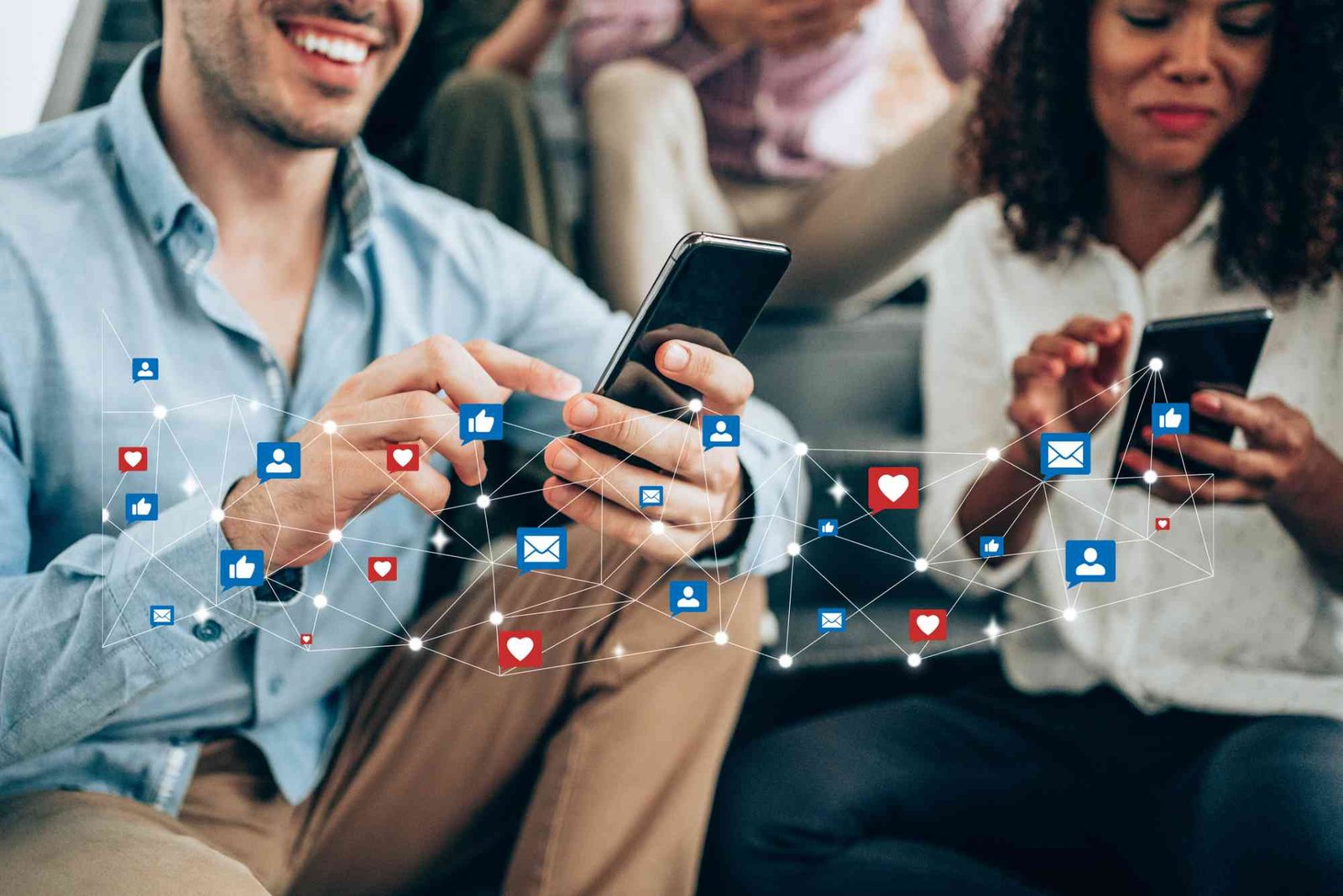
How Social Media Is Shaping Modern Entertainment is a question that reflects a major change in how people discover, consume, and discuss entertainment. Social platforms have moved beyond simple communication tools. Today, they influence what audiences watch, listen to, share, and recommend.
From short videos to music trends, social media can turn unknown creators into global personalities. It can also revive older movies, songs, and television shows. As a result, entertainment is no longer controlled only by traditional studios, television networks, or record labels.
Instead, audiences now participate directly in the entertainment cycle. They react to content, create discussions, produce fan videos, and influence what becomes popular. This shift has created new opportunities while also changing expectations for entertainment companies and creators.
How Social Media Is Shaping Modern Entertainment
Social media has transformed entertainment by making discovery faster, more interactive, and more personalized. Previously, audiences often depended on television advertisements, radio stations, magazines, or professional reviews to discover new entertainment.
Today, a recommendation can appear while someone is scrolling through a social feed. A short clip can introduce a new song, movie, comedian, game, or creator within seconds. If people enjoy it, they can immediately share it with friends and followers.
This creates a powerful feedback loop. Content receives attention, people discuss it, platforms identify growing engagement, and more users are exposed to it. Consequently, entertainment trends can develop much faster than they did in traditional media.


Social Media Has Changed Content Discovery
One of the biggest effects of social media is the transformation of content discovery. Audiences no longer need to search actively for every new entertainment option. Instead, algorithms continuously recommend videos, songs, creators, and discussions based on user activity.
For example, someone watching several comedy clips may quickly receive recommendations for similar creators. A person engaging with movie content may see trailers, reviews, interviews, and fan theories. This personalized experience makes entertainment discovery feel more convenient.
At the same time, creators can reach audiences without depending entirely on traditional gatekeepers. A talented individual with a smartphone and creative idea can attract attention from viewers around the world.
Short-Form Video Is Changing Entertainment Habits
Short-form video has become an important part of modern entertainment. Platforms built around quick videos have changed how people consume comedy, music, storytelling, commentary, and educational entertainment.
Short videos are designed to capture attention quickly. Therefore, creators often begin with a strong visual, surprising statement, or entertaining moment. This has influenced content across the wider entertainment industry.
Even traditional entertainment companies now create short clips to promote longer productions. Movie studios can share memorable scenes, musicians can publish short previews, and television producers can use social clips to encourage viewers to watch full episodes.
The growth of short-form content also affects storytelling. Creators increasingly understand that audiences may encounter their work through a brief clip before seeing the complete production.
Social Media Is Transforming the Music Industry
Music is one of the clearest examples of how social media is shaping modern entertainment. A song can become popular because of a dance, meme, challenge, or memorable lyric shared across social platforms.
This has changed how musicians promote new releases. Instead of relying exclusively on radio stations and traditional advertising, artists can communicate directly with listeners.
An emerging artist can build an audience by consistently sharing performances, behind-the-scenes material, songwriting clips, and personal updates. This creates a stronger connection between musicians and their fans.
Social media also gives older songs new opportunities. A track released years ago can suddenly become popular after appearing in a viral video. This can introduce previous music to an entirely new generation.
Film and Television Promotion Have Become More Interactive
The film and television industries have also adapted to changing audience behavior. A traditional trailer is no longer the only way to generate interest in a production.
Studios and streaming services can create behind-the-scenes videos, interviews, character clips, memes, and interactive campaigns. These materials give audiences more reasons to discuss a title before and after its release.
Social conversations can also influence how people perceive a production. Positive reactions may encourage viewers to watch something they had previously ignored. Meanwhile, criticism can quickly spread and affect public expectations.
This means entertainment marketing has become an ongoing conversation rather than a one-directional advertising campaign.
Creators Have Become Entertainment Brands
Social media has created a new type of entertainment personality: the independent creator. Influencers, streamers, comedians, reviewers, gamers, and video producers can build large communities without following traditional career paths.
Their success often depends on consistency and audience relationships. Followers may feel that they know a creator personally because they regularly see their opinions, routines, humor, and experiences.
This relationship can be extremely valuable. Creators can introduce products, recommend entertainment, collaborate with companies, and develop their own businesses.
The creator economy therefore demonstrates how social media is shaping modern entertainment beyond simple content sharing. It has changed who can become an entertainer and how audiences build relationships with entertainment personalities.
Fans Are Now Active Participants
Modern audiences are no longer passive consumers. Social media gives fans opportunities to participate in entertainment culture.
Fans can create edits, reviews, memes, reaction videos, theories, artwork, and discussions. They can also communicate directly with creators and other fans.
This participation can extend the life of entertainment content. A movie may continue attracting attention because fans debate its ending. A television series may generate weekly discussions between episodes. A game may remain popular because its community continues producing content.
In this environment, entertainment becomes a shared experience. The audience does not simply watch the content. It helps create the conversation surrounding it.
Social Media Influences Entertainment Trends
Trends now develop at remarkable speed. A particular sound, joke, dance, character, or visual style can spread across millions of users within a short period.
This speed creates opportunities for entertainment companies. They can identify emerging interests and adjust promotional strategies accordingly.
However, fast-moving trends also create challenges. A trend that dominates attention today may disappear quickly tomorrow. Creators and entertainment brands must therefore understand their audiences rather than depend entirely on temporary viral moments.
The ability to recognize meaningful trends has become an important part of modern entertainment strategy.
The Rise of Personalized Entertainment
Another important development is personalization. Social platforms use user behavior to recommend content that appears relevant to individual interests.
This can make entertainment more enjoyable because people discover content that matches their preferences. Someone interested in documentaries may see more documentary recommendations, while a sports fan may receive sports-related videos and discussions.
However, personalization can also narrow exposure. Users may repeatedly encounter similar ideas and entertainment styles. Therefore, audiences benefit from actively exploring different creators, genres, cultures, and perspectives.
Social Media Creates New Opportunities for Businesses
Entertainment companies can now communicate with audiences without depending entirely on traditional advertising. Social platforms provide opportunities to build communities around movies, music, games, events, and streaming services.
A strong social strategy can create anticipation before a release. It can also maintain interest after launch through interviews, clips, fan content, and discussions.
For smaller entertainment businesses, this accessibility can be especially valuable. They can promote their work to targeted audiences without requiring the enormous marketing budgets associated with traditional campaigns.
Challenges Created by Social Media Entertainment
Although social media has created many opportunities, it also presents challenges. The pressure to remain visible can encourage creators to produce content constantly.
This can lead to creative fatigue. Creators may feel pressured to follow trends rather than develop original ideas. Audiences can also experience content overload because entertainment is available almost continuously.
Another concern is misinformation and misleading promotional content. Viral discussions can spread claims quickly, even when those claims lack reliable evidence.
For this reason, audiences should evaluate entertainment recommendations carefully. Popularity does not always mean quality, accuracy, or cultural value.
The Future of Social Media and Entertainment
The relationship between social media and entertainment will likely become even stronger. New technologies are making content creation easier, faster, and more accessible.
Artificial intelligence, immersive experiences, live streaming, interactive content, and personalized recommendations may further change how audiences experience entertainment.
However, one principle is unlikely to disappear: people want meaningful experiences. Technology can improve distribution, but compelling stories, talented performers, creativity, and genuine human connection remain important.
The future will therefore involve a combination of technology and creativity. Social media will continue influencing discovery and conversation, while creators will determine whether audiences find the content worth their attention.
How Social Media Is Shaping Modern Entertainment for Audiences
How Social Media Is Shaping Modern Entertainment can ultimately be understood through one major change: audiences now have more influence than ever.
People decide what to watch, share, recommend, discuss, and recreate. Their actions can transform a small creator into a recognizable personality or bring renewed attention to an older song or film.
This creates a more dynamic entertainment environment. Success is no longer determined only by traditional advertising or professional distribution. Community interest, creativity, timing, and audience participation can all play significant roles.
Discover the best ways to enjoy entertainment at home with Top Streaming Entertainment Options Worth Watching. From exciting movies and binge-worthy series to documentaries and live content, streaming platforms offer something for every taste. Explore popular choices, compare viewing experiences, and find fresh entertainment that fits your interests, schedule, and budget.
Conclusion
How Social Media Is Shaping Modern Entertainment shows how deeply digital platforms have changed modern culture. Social media has transformed content discovery, music promotion, film marketing, creator careers, fan communities, and entertainment trends.
Frequently Asked Questions
How does social media affect the entertainment industry?
Social media affects entertainment by changing how content is discovered, promoted, discussed, and consumed. It gives creators direct access to audiences while allowing entertainment companies to build communities around their productions.
How has social media changed the way we consume entertainment?
Social media has made entertainment more immediate and personalized. Users can discover short videos, music, movies, games, and creators through recommendations and social sharing rather than relying only on traditional media.
Why is social media important for entertainment?
Social media is important because it connects creators with audiences directly. It also allows entertainment content to spread quickly through shares, discussions, reactions, and user-generated content.
How do social media influencers affect entertainment?
Influencers can introduce audiences to new music, movies, games, products, and cultural trends. Their personal connection with followers can make their recommendations highly influential.
What are the negative effects of social media on entertainment?
Social media can encourage excessive consumption, content overload, trend chasing, and pressure on creators to publish constantly. Viral misinformation can also influence audience opinions without reliable evidence.
Related Reading: Best Entertainment Shows to Watch This Weekend — full guide