
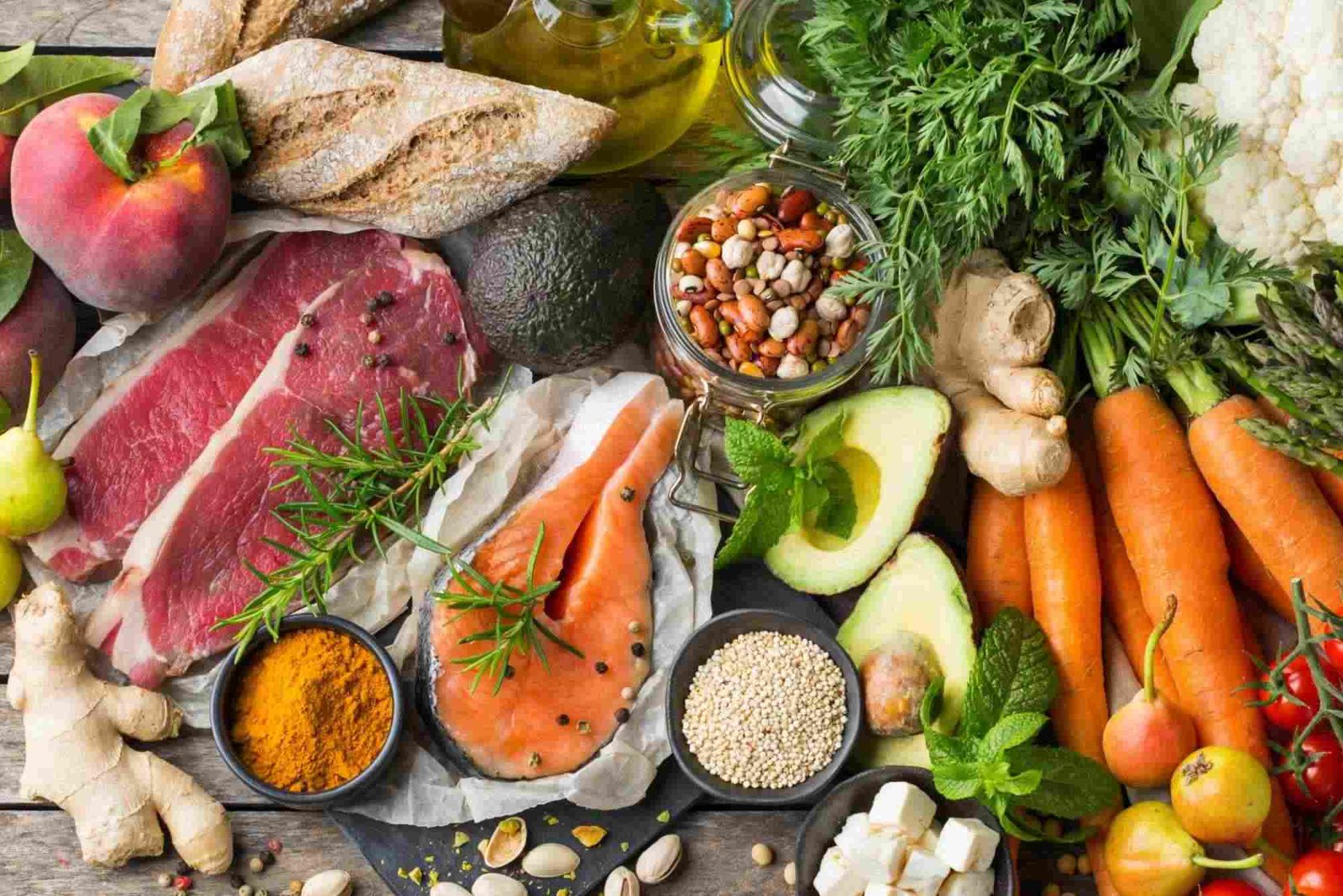
How to Choose the Freshest Ingredients
When it comes to cooking, the quality of your ingredients can make or break a meal. Learning how to choose the freshest ingredients ensures your dishes are flavorful, nutritious, and visually appealing. Fresh ingredients not only enhance taste but also provide essential nutrients that processed or older items may lack. Whether shopping for fruits, vegetables, meat, or dairy, knowing what to look for can save you money and elevate your cooking.
Understanding Freshness
Freshness isn’t just about appearance. It encompasses flavor, texture, aroma, and nutritional value. Fresh produce, for instance, has a vibrant color, firm texture, and natural fragrance. Meat and seafood should have a clean smell and firm consistency. Recognizing these qualities takes practice but pays off in taste and health.
Check Appearance
Look for bright colors and uniform texture. Avoid bruised or discolored produce. Shiny, firm skin often indicates freshness. For leafy vegetables, crisp leaves signal recently harvested produce.
Assess Smell
Fresh ingredients should smell natural, not sour or off. Herbs should have a strong, aromatic scent. Seafood should have a mild ocean scent, while meat should not smell metallic or sour.
Feel the Texture
Firmness often indicates freshness. Fruits should yield slightly under pressure without being mushy. Meat should spring back when pressed. Vegetables like carrots or cucumbers should be firm, not limp.
Tips for Choosing Fresh Fruits
Fruits are best selected based on ripeness, color, and scent. Avoid overripe fruits with dark spots or soft areas. Seasonal fruits are more likely to be fresh, flavorful, and cost-effective.


Consider Seasonality
Buying fruits in season increases your chances of freshness. Strawberries in spring or apples in fall are often harvested recently, maximizing taste and nutrients.
Inspect Skin and Color
Look for vibrant colors and smooth, unbroken skin. Avoid fruits with wrinkles, bruises, or dull patches. These often indicate age or poor storage.
Smell and Taste
Smell can indicate ripeness, especially for melons and peaches. When possible, taste samples in stores or farmers’ markets to ensure flavor.
Tips for Choosing Fresh Vegetables
Vegetables are at their peak when firm, crisp, and vibrant. Leafy greens should look lively without yellowing. Root vegetables should be free of cracks or mold.
Leafy Greens
Check for firm leaves without wilting. Avoid slimy or discolored patches. Fresh greens should snap easily when bent.
Root Vegetables
Carrots, beets, and potatoes should be firm and unblemished. Avoid sprouting potatoes or soft spots that indicate age.
Aromatic Vegetables
Onions, garlic, and herbs should feel firm and dry. Strong scent and healthy roots indicate peak freshness.
Choosing Fresh Meat and Poultry
Fresh meat should have a firm texture and a natural, slightly sweet smell. Color varies by type but should be vibrant and uniform.
Color and Texture
Beef should be bright red; chicken should be pinkish with no gray patches. Press meat lightly—fresh meat springs back.
Smell
Avoid meat with strong, sour, or ammonia-like odors. Fresh meat has a clean, subtle scent.
Packaging
Check packaging for excess liquid or tears. Vacuum-sealed options can retain freshness longer if handled properly.
Selecting Fresh Seafood
Seafood requires careful inspection. Look for clear eyes in fish and a mild, ocean-like smell. Shellfish should be tightly closed.
Fish
Eyes should be bright, clear, and bulging slightly. Flesh should be firm, and gills red or pink.
Shellfish
Clams, mussels, and oysters must be alive; shells should close when tapped. Avoid cracked or open shells.
Smell
Fresh seafood smells like the ocean, not fishy or sour. This is the most reliable indicator of quality.
Tips for Dairy and Eggs
Dairy products should be checked for expiration dates, color, and consistency. Eggs should be free from cracks and have clean shells.
Milk and Cheese
Check expiration dates and smell. Fresh milk has a mild scent; cheese should not smell overly pungent unless naturally aged.
Yogurt and Butter
Look for smooth texture without separation or mold. Fresh butter is pale yellow and firm.
Eggs
Choose eggs with clean, uncracked shells. When possible, purchase from local farms for fresher options.
General Shopping Tips
Planning ahead helps in choosing the freshest ingredients. Shopping early in the day often provides access to recently stocked produce. Farmers’ markets and local shops can offer fresher alternatives to supermarkets.
Buy Seasonal
Seasonal ingredients are fresher, more flavorful, and often more affordable.
Inspect Before Buying
Take a moment to check for firmness, color, smell, and overall quality. Avoid items that look wilted or bruised.
Store Properly
Even fresh ingredients can lose quality if stored incorrectly. Refrigerate perishable items and store herbs in water or airtight containers.
Choosing fresh ingredients enhances every meal. By paying attention to appearance, smell, texture, and seasonality, you can ensure every dish is flavorful and nutritious. Start with small changes in shopping habits to notice a significant difference in taste and health. Fresh ingredients aren’t just an option—they’re the foundation of great cooking.
Take control of your kitchen today: visit local markets, inspect your ingredients carefully, and enjoy meals that truly shine.
FAQ
How can I tell if vegetables are fresh?
Check for firm texture, vibrant color, and crisp leaves. Avoid wilted, slimy, or discolored spots.
What’s the best way to choose fresh meat?
Look for bright color, firm texture, and a subtle, clean smell. Avoid gray patches or strong odors.
How do I know if seafood is fresh?
Fresh fish have clear eyes, firm flesh, and red gills. Shellfish should be alive and smell like the ocean.
Are seasonal fruits fresher?
Yes, seasonal fruits are harvested recently, so they are more flavorful, nutritious, and often more affordable.
How should I store fresh ingredients at home?
Refrigerate perishable items, store herbs in water or airtight containers, and separate fruits and vegetables that emit ethylene gas.




Signed up for W88 through dangkiw88.com. Registration process was super easy, and they had some good promos going on. Hope I win! Sign up here: dangkiw88
Just landed on 1gom.com bong88, looks promising. Fingers crossed for some wins!
Finally a site that doesn’t crash every five minutes. The winning streaks I’ve had here are legendary. Big thanks to phtaya789!
Clean layout and very transparent rules. It is hard to find a place this honest these days. I highly suggest bdck444pro for everyone.