
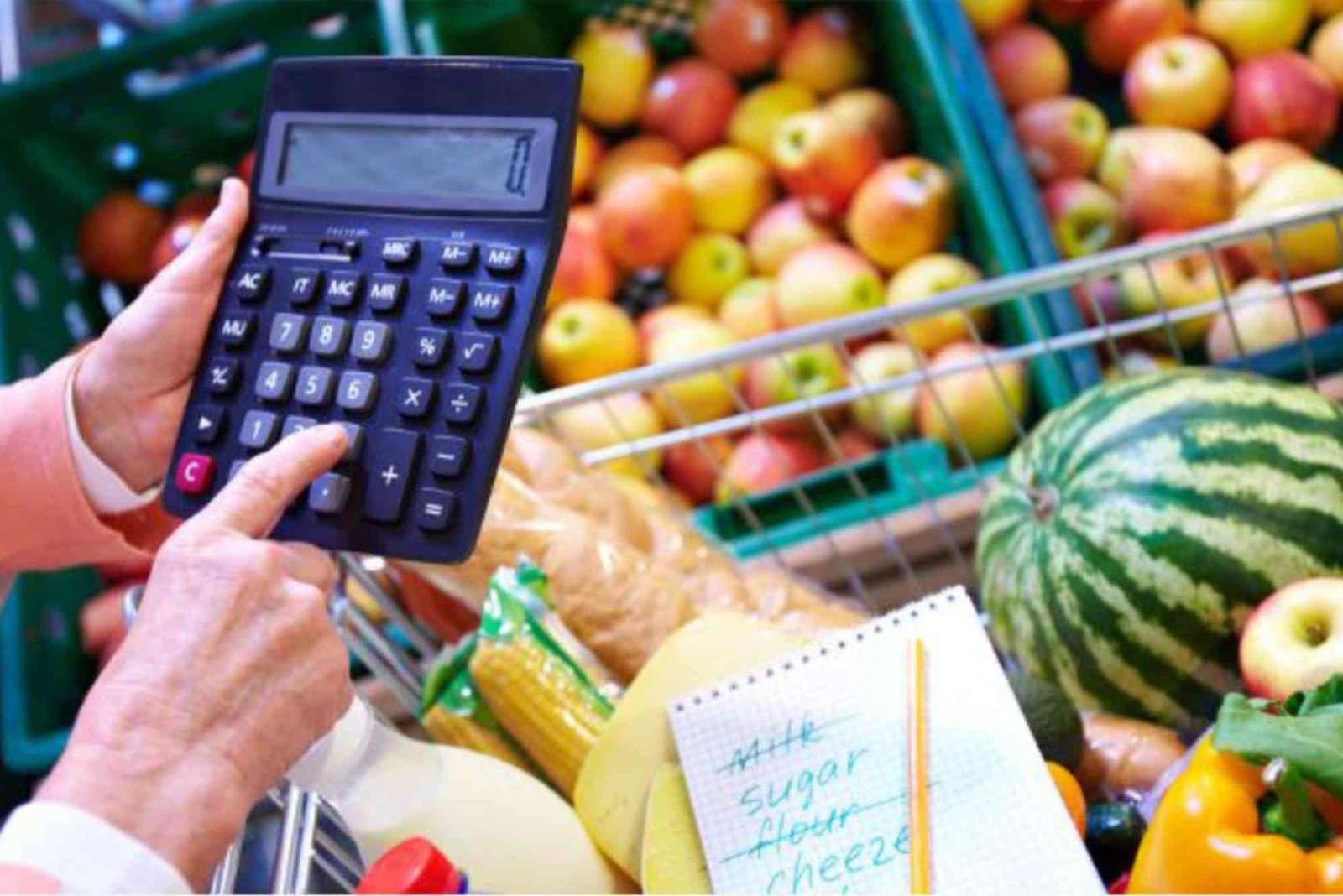
How to Save Money on Groceries Without Compromising Quality
Grocery shopping can quickly become a costly part of your budget, especially when trying to balance quality and affordability. However, saving money on groceries doesn’t mean sacrificing the foods you love or the nutritional value of your meals. With a few practical strategies, you can stretch your grocery budget while still enjoying high-quality ingredients.
This guide will walk you through actionable tips, shopping habits, and meal planning strategies to save money on groceries without compromising quality.
Plan Ahead to Maximize Savings
Create a Weekly Meal Plan
Planning meals for the week helps prevent impulse purchases and reduces food waste. Start by checking what items you already have in your pantry and refrigerator. Focus on versatile ingredients that can be used in multiple dishes. A clear meal plan guides your shopping list and ensures you buy only what you need.
Make a Smart Grocery List
Once your meals are planned, write a detailed shopping list. Include quantities to avoid overbuying. Stick to the list strictly; avoiding last-minute additions can significantly reduce your grocery bill. Organize the list by grocery sections to make shopping faster and less chaotic.
Shop Strategically for Quality and Savings
Choose Seasonal and Local Produce
Seasonal fruits and vegetables are often fresher and cheaper than out-of-season items. Local farmers’ markets can also provide high-quality produce at lower prices. Buying seasonally not only saves money but also ensures you get nutrient-rich food.
Compare Unit Prices
Focus on unit prices rather than overall cost. Larger packages are not always cheaper per serving. Comparing unit prices helps you make informed choices and ensures you get the best value for your money.


Buy in Bulk Wisely
Bulk buying can save money on non-perishable items or foods you use frequently, such as rice, pasta, or canned goods. Be cautious with perishable items; buying too much can lead to waste. Proper storage and freezing techniques can extend the life of bulk purchases.
Use Coupons, Loyalty Programs, and Apps
Take Advantage of Digital Coupons
Many grocery stores offer digital coupons and weekly promotions. Using these discounts can cut costs without lowering the quality of your groceries. Keep an eye on store apps and websites for the latest deals.
Join Loyalty Programs
Grocery store loyalty programs often provide exclusive discounts, points, and cashback offers. Sign up for programs at stores you frequent most to maximize savings over time.
Use Price Comparison Apps
Apps that compare prices across stores can help you find the best deals. This ensures that you are paying a fair price while still getting high-quality products.
Optimize Your Shopping Habits
Avoid Shopping When Hungry
Shopping on an empty stomach can lead to impulse buys and unhealthy choices. Eat a snack before heading to the store to stay focused on your planned purchases.
Stick to the Perimeter of the Store
The outer aisles usually contain fresh produce, dairy, and meats, while inner aisles often house processed and expensive items. Focusing on the perimeter can help you buy nutritious food while avoiding unnecessary expenses.
Limit Brand Dependence
Name brands are often more expensive than store or generic brands. Many generic products offer similar quality and taste. Try experimenting with different brands to find affordable alternatives without sacrificing quality.
Prepare and Store Food Efficiently
Cook at Home
Home-cooked meals are not only healthier but also more cost-effective than eating out. Preparing meals in advance can save time and reduce the temptation to buy pre-packaged or convenience foods.
Batch Cooking and Freezing
Cooking in large batches allows you to store meals in the freezer for later. This reduces the frequency of shopping trips and helps you avoid buying unnecessary items.
Proper Food Storage
Investing in quality storage containers extends the life of fresh produce and leftovers. Store food correctly to prevent spoilage and avoid wasting money on items that go bad too quickly.
Focus on Nutrient-Dense Foods
Prioritize Affordable Superfoods
Foods like beans, lentils, eggs, and frozen vegetables are nutritious and budget-friendly. Including these in your diet ensures quality nutrition without overspending.
Balance Proteins and Carbs
Buying a mix of plant-based and animal proteins can reduce costs. Beans, tofu, and eggs are excellent protein alternatives that can supplement or replace more expensive meats.
Minimize Processed Snacks
Processed snacks can be expensive and less nutritious. Making your own snacks, like trail mixes or granola bars, saves money and improves quality.
Smart Beverage Choices
Drink Water and Homemade Drinks
Sugary drinks and specialty beverages can increase your grocery bill. Drinking water or making homemade juices and teas is more economical and healthier.
Buy in Concentrates or Bulk
If you prefer juices or teas, buying concentrate forms or bulk packs reduces cost per serving and avoids unnecessary packaging waste.
How to Save Money on Groceries Without Compromising Quality: Tips Recap
Plan meals and make a detailed shopping list
Shop seasonal, local, and bulk items wisely
Use coupons, loyalty programs, and price comparison apps
Stick to smart shopping habits and avoid impulse purchases
Cook at home, batch cook, and store food properly
Focus on nutrient-dense foods and reduce processed snacks
Opt for economical beverage options
By implementing these strategies consistently, saving money on groceries without compromising quality becomes a natural habit rather than a struggle.
FAQ
What are the best ways to save money on groceries without lowering quality?
Focus on meal planning, shopping seasonal produce, buying bulk wisely, and using store discounts and loyalty programs.
How can I eat healthy and save on groceries at the same time?
Include affordable superfoods like beans, lentils, eggs, and frozen vegetables. Plan meals and cook at home to reduce costs.
Are generic brands as good as name brands?
Many generic products offer similar taste and quality. Compare ingredients and reviews to find the best budget-friendly options.
Can meal prepping actually save money?
Yes, batch cooking and freezing meals reduce food waste and lower the need for last-minute expensive purchases.
How can I avoid food waste and save money?
Store perishable items properly, buy only what you need, and use leftovers creatively in future meals.
Saving money on groceries without compromising quality is achievable with planning, smart shopping, and cooking strategies. By implementing these tips, you can enjoy nutritious meals while keeping your budget in check. Start small by planning one week of meals or trying one cost-saving strategy today.
Take control of your grocery spending and make every dollar count—your wallet and your health will thank you.




Just signed up on 89win1 and the signup bonus was pretty sweet! Been having some fun checking things out. Might stick around for a bit. Check them out yourself 89win1.
G’day, fellas! Just had a punt on the 188bet88betapp. Pretty smooth experience, I reckon. Worth a crack if you’re keen for a bit of a flutter. Have a look: 188bet88betapp
Oi, you looking for a new betting app? Gave 8833betapp a go and things went relatively smoothly. Downloaded it, had a few bets. Nothing spectacular, but solid enough. Find it here: 8833betapp
Hey everyone, I came across j1962 and thought I’d share. Pretty straightforward and easy to use. I’d say give it a look yourself! Right here: j1962
What’s up gamers? Been poking around on beeph and it’s got my attention. Might be worth a look for you too: beeph
Just a heads up about em777login – pretty straightforward access, no hassles. Good if you want to get straight to the games. Have a look: em777login
Guys, bingoplus download straight from the source is the way to go. Safe and simple. Check it out on bingoplus download
Yo, for those interested in m7 ma cao, give this site a look. It’s got what you need! Seriously good stuff! See for yourself: m7 ma cao
Really impressed with the loyalty program here. The perks are awesome and the gaming experience is just buttery smooth. Join the club at 50jilivip.
Love how easy it is to navigate the site. I managed to hit a decent jackpot last night and the credit went straight to my account. phjili01 is definitely a winner.