
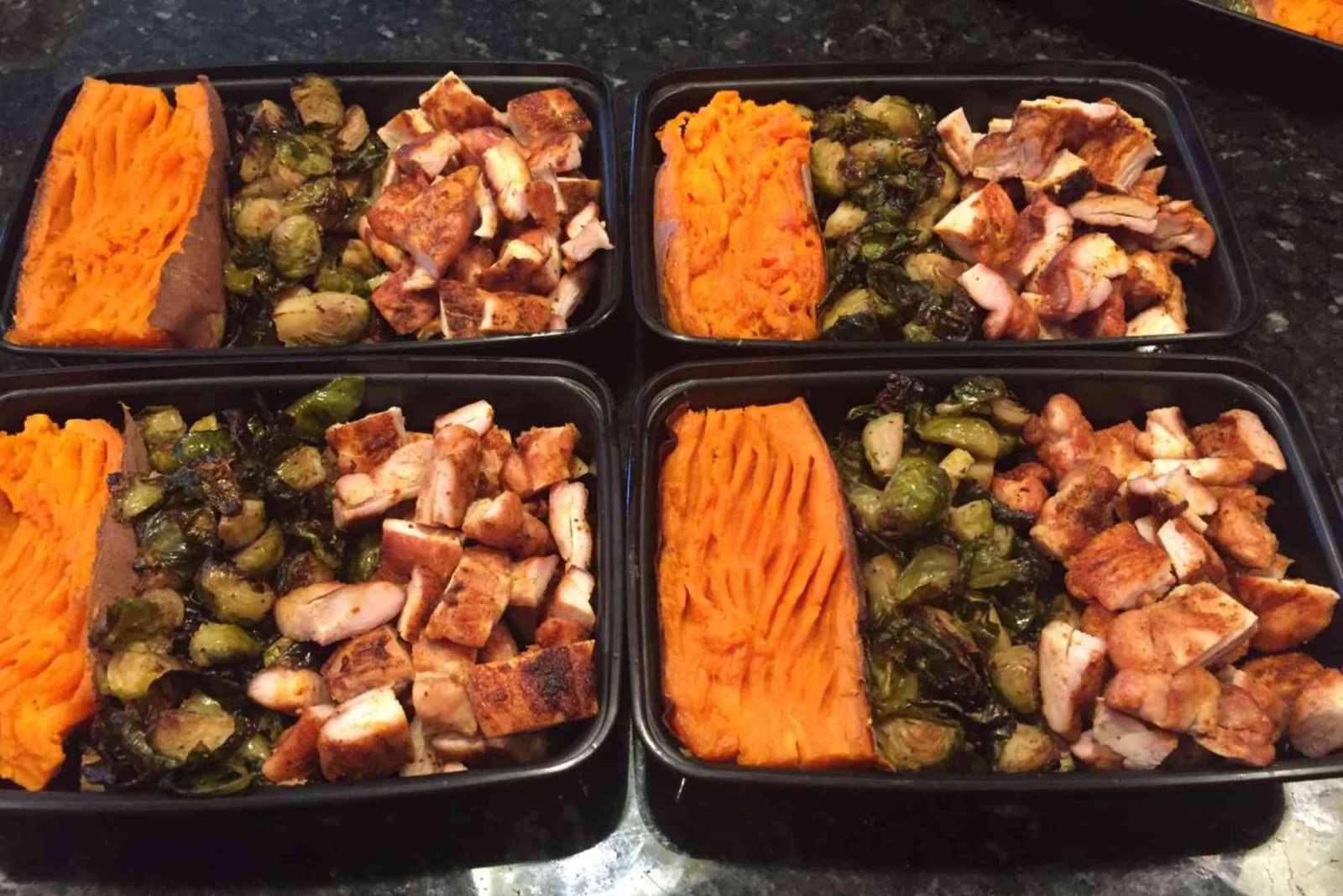
The Ultimate Guide to Meal Prepping for Beginners
Meal prepping can transform your eating habits, save time, and make healthy living much easier. If you’re new to this practice, knowing where to start might feel overwhelming. This guide walks beginners through every step of meal prepping, offering practical tips, recipes, and strategies to build a sustainable routine.
Why Meal Prepping Matters
Meal prepping is more than just cooking ahead. It helps you manage portion sizes, reduce food waste, and maintain a balanced diet. For beginners, the benefits are clear:
Saves Time and Stress
Planning meals ahead frees you from daily cooking. Instead of wondering what to eat, your meals are ready. This saves both time and mental energy.
Supports Healthy Eating Habits
When meals are prepped, you control ingredients. This makes it easier to eat nutritious foods and avoid last-minute unhealthy choices.
Reduces Food Waste
By buying and preparing only what you need, you minimize spoiled ingredients and leftovers.
Saves Money
Buying in bulk and planning meals reduces unnecessary purchases, helping your budget stretch further.


Getting Started with Meal Prepping
Beginners often ask where to begin. The key is to start small and gradually develop a routine that fits your lifestyle.
Assess Your Schedule and Goals
Understand your weekly commitments. Are you prepping for work lunches, dinners, or both? Identify your goals—weight management, convenience, or healthier eating.
Choose Your Recipes Wisely
Opt for simple, versatile recipes. One-pot meals, salads, and grain bowls are excellent choices. Choose recipes that store well and can be reheated easily.
Invest in Meal Prep Containers
Durable, portioned containers make storage and transport easier. Glass containers are ideal for reheating, while BPA-free plastic is lightweight for carrying.
Make a Grocery List
Plan meals for the week and list ingredients. Organizing your shopping reduces impulse purchases and ensures you have everything needed.
Planning Your Meals
Planning is the backbone of successful meal prepping. Here’s how beginners can approach it:
Start with Breakfast
Overnight oats, smoothie packs, and egg muffins are easy breakfast options. Prepare them in advance for a quick, nutritious start.
Lunch and Dinner Ideas
Cook proteins like chicken, fish, or tofu in bulk. Pair them with grains and roasted vegetables. Include one or two dressings or sauces to keep meals flavorful.
Snacks and Extras
Prepare snacks such as hummus, nuts, or cut vegetables. Healthy snacks prevent reaching for processed foods.
Portion Control
Use your containers to measure portions. This prevents overeating and keeps meals balanced with carbs, protein, and vegetables.
Meal Prep Methods for Beginners
Different techniques work better for different people.
Batch Cooking
Cook large quantities of a single meal and divide into portions. This method is simple and efficient for busy weeks.
Freezer Meals
Cook meals that freeze well, like soups, stews, or casseroles. Label containers with dates to track freshness.
Assemble-Only Meal Prep
Prepare ingredients without cooking. For example, wash and chop vegetables, cook grains separately, and store. Combine on the day you eat.
Mix-and-Match Prep
Cook versatile proteins and grains. Pair them with different sauces and vegetables for varied meals throughout the week.
Essential Tips for Beginners
Starting simple increases success. Here are practical tips:
Plan for 2–3 Days at First
Don’t overwhelm yourself with a full week of prep. Start with a few days and expand gradually.
Keep It Simple
Focus on recipes with fewer ingredients. Complicated dishes can become discouraging.
Rotate Proteins and Vegetables
This keeps meals interesting and ensures you get a variety of nutrients.
Prep Once, Use Multiple Ways
Roast chicken for salads, wraps, and bowls to avoid repetitive meals.
Use Labels and Dates
Label containers with meal names and prep dates. This keeps your fridge organized and food safe.
Common Mistakes to Avoid
Avoiding pitfalls makes meal prepping easier.
Overcomplicating Meals
Stick to simple recipes you enjoy. Complicated meals increase prep time and stress.
Ignoring Storage
Not using proper containers can lead to soggy or spoiled meals. Invest in quality storage solutions.
Skipping Planning
Without planning, you risk buying unnecessary items and wasting food.
Forgetting Snacks
Unprepared snacks often lead to unhealthy choices. Keep easy, ready-to-eat options.
Sticking to the Same Meals
Repetition can make meal prepping boring. Rotate recipes weekly for variety.
The Ultimate Meal Prep Shopping List
To simplify your first prep, consider these essentials:
Proteins: chicken, tofu, fish, eggs, beans
Carbs: rice, quinoa, pasta, sweet potatoes
Vegetables: broccoli, spinach, carrots, bell peppers
Fruits: berries, apples, bananas, citrus
Healthy fats: olive oil, nuts, avocado
Seasonings: herbs, spices, lemon, garlic
Recipes for Beginners
Here are a few easy recipes for beginners:
Chicken and Veggie Bowls
Bake chicken breast, roast mixed vegetables, and cook quinoa. Divide into containers and add your favorite sauce.
Overnight Oats
Combine oats, milk, yogurt, and fruit in jars. Refrigerate overnight for a grab-and-go breakfast.
Egg Muffins
Whisk eggs, vegetables, and cheese. Bake in muffin tins. Store in fridge for quick breakfasts or snacks.
Smoothie Packs
Freeze fruits, spinach, and protein powder in bags. Blend with liquid in the morning for an instant smoothie.
Maintaining Your Meal Prep Routine
Consistency is key. Follow these steps to maintain your routine:
Set a Weekly Prep Day
Choose one day for grocery shopping and prep. Consistency reduces stress.
Evaluate and Adjust
Take note of which meals you enjoyed and which ingredients you used least. Adjust recipes for next week.
Keep it Fun
Try new recipes, sauces, or grains. Experimenting keeps meal prep exciting.
Celebrate Small Wins
Appreciate the time and money saved. Positive reinforcement encourages continuation.
FAQ
What is the easiest way to start meal prepping?
Start small with 2–3 meals a week. Choose simple recipes and focus on staples like rice, chicken, and vegetables.
How long does meal prep last in the fridge?
Most meals last 3–5 days. Proteins like cooked chicken or tofu can last up to 4 days. Always check freshness.
Can meal prepping help with weight loss?
Yes, meal prepping encourages portion control and healthier food choices, which can support weight management.
How do I prevent meals from getting boring?
Rotate proteins, grains, and vegetables. Use different herbs, spices, and sauces for flavor variety.
Do I need special containers for meal prep?
Quality containers help with storage, reheating, and portion control. Glass containers are durable and versatile.
Can I prep meals for the entire week?
Yes, but beginners may benefit from prepping 2–3 days first to avoid spoilage and maintain freshness.
Meal prepping doesn’t have to be complicated. By starting small, planning meals, and using simple recipes, beginners can enjoy nutritious, stress-free eating all week. Take the first step this week—choose a prep day, pick a few recipes, and get organized.
Start your meal prepping journey today and experience healthier, easier, and more enjoyable meals!



Yo, just wanna say super85game isn’t half bad. Got a nice variety of games to choose from. If you’re looking for something new, peep super85game.
Fala, apostadores! Tô buscando um app novo pra dar uns palpites e me indicaram o DonaldBetApp. Alguém usa? Acha que vale a pena baixar? Me contem! Se quiserem saber mais: donaldbetapp
I’ve been looking for a stable app like this for a while. The interface is super smooth and the payouts are actually fair. Definitely check out bdze77apk if you want a reliable experience.