
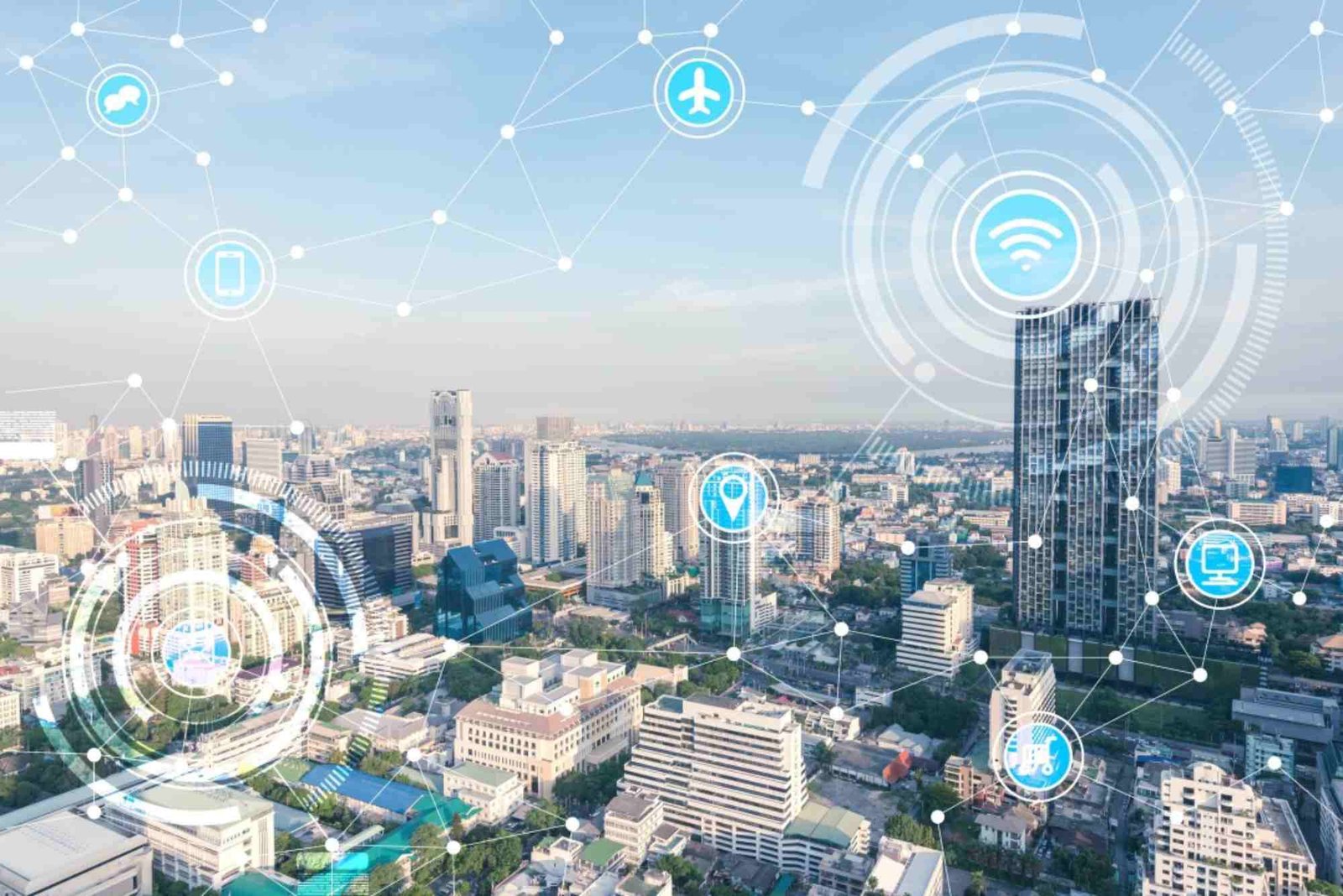
The Future of Smart Cities
The future of smart cities is no longer a distant vision—it’s unfolding before our eyes. Cities worldwide are embracing technology to enhance sustainability, efficiency, and quality of life. Smart cities integrate advanced technologies like IoT, AI, and big data into urban infrastructure. This transformation creates more connected, resilient, and sustainable urban environments. In this article, we explore how smart cities are evolving and what the future holds.
Understanding Smart Cities
What Makes a City “Smart”?
A smart city uses technology to improve urban living. It relies on sensors, connected devices, and data-driven systems to manage resources efficiently. Transportation, energy, healthcare, and governance all benefit from smart solutions.
Key Goals of Smart Cities
Smart cities aim to:
Reduce traffic congestion and carbon emissions.
Optimize energy consumption in buildings and public spaces.
Enhance public safety with real-time monitoring.
Provide better healthcare and emergency services.


Technologies Shaping the Future of Smart Cities
Internet of Things (IoT)
IoT devices connect infrastructure and services. Sensors monitor traffic flow, air quality, and water usage. This real-time data enables smarter urban planning and quicker decision-making.
Artificial Intelligence and Machine Learning
AI helps cities analyze large datasets. Machine learning predicts traffic patterns, forecasts energy demand, and identifies potential public safety issues. AI-driven solutions make cities more responsive and adaptive.
5G and Advanced Connectivity
High-speed 5G networks support instant communication between devices. Faster connectivity allows for autonomous vehicles, remote healthcare services, and real-time data sharing across city systems.
Renewable Energy and Smart Grids
Future smart cities prioritize sustainability. Smart grids distribute energy efficiently, and renewable sources like solar and wind reduce dependence on fossil fuels. Energy storage systems ensure consistent supply during peak demand.
Autonomous Transportation
Self-driving vehicles and smart public transit are transforming urban mobility. Traffic congestion decreases, commuting becomes safer, and emissions drop. Autonomous systems are integrated with smart traffic lights for seamless transportation.
Smart City Planning and Governance
Data-Driven Decision Making
City officials rely on analytics to design smarter infrastructure. Urban planners can predict population growth, optimize public services, and allocate resources efficiently.
Citizen Engagement and Participation
Smart cities encourage residents to participate in governance. Apps and digital platforms allow citizens to report issues, provide feedback, and access city services quickly.
Security and Privacy Considerations
With more data comes greater responsibility. Smart cities must protect citizens’ personal information while ensuring cybersecurity for critical infrastructure.
Benefits of Smart Cities
Enhanced Quality of Life
Technology improves daily life through cleaner air, reduced traffic, and better healthcare access. Public services are faster, safer, and more efficient.
Economic Growth and Innovation
Smart cities attract businesses and innovators. Tech-driven infrastructure fosters startups, research centers, and global investment.
Environmental Sustainability
Efficient energy use, waste reduction, and sustainable transport systems make cities greener. Long-term environmental benefits include reduced carbon footprints and better climate resilience.
Disaster Preparedness
Real-time monitoring and predictive analytics help cities respond to natural disasters and emergencies. Smart sensors detect floods, earthquakes, and fires early, minimizing damage.
Challenges Facing Smart Cities
High Implementation Costs
Smart city projects require significant investment in infrastructure, technology, and skilled personnel.
Digital Divide
Not all residents have equal access to technology. Bridging the gap is essential for equitable urban development.
Interoperability and Standards
Integrating diverse systems and devices requires standardized protocols. Without them, efficiency and data accuracy can suffer.
Ethical and Privacy Concerns
Collecting and using personal data must balance innovation with individual rights. Regulations must guide responsible data management.
The Future Outlook
Integration of AI and Robotics
AI-powered robots will handle maintenance, cleaning, and security tasks. Automation reduces human error and increases efficiency.
Sustainable and Resilient Infrastructure
Future smart cities will prioritize green construction, modular buildings, and adaptive infrastructure that responds to climate challenges.
Hyperconnected Urban Ecosystems
Smart cities will operate as interconnected ecosystems. Transportation, energy, healthcare, and governance systems will communicate seamlessly for optimized urban living.
Global Examples
Cities like Singapore, Barcelona, and Dubai are leading in smart city development. They showcase intelligent transport, energy-efficient buildings, and citizen-focused services. These cities serve as blueprints for others worldwide.
FAQ About The Future of Smart Cities
What Are the Main Features of a Smart City?
A smart city integrates technology to manage resources efficiently, enhance public services, and improve quality of life.
How Will Smart Cities Affect Daily Life?
Residents will experience faster services, cleaner environments, reduced traffic, better healthcare, and more opportunities for digital engagement.
Are Smart Cities Sustainable?
Yes, sustainability is a key goal. Smart grids, renewable energy, and waste management systems reduce environmental impact.
What Challenges Do Smart Cities Face?
Challenges include high costs, privacy concerns, digital inequality, and integration of diverse technologies.
Which Cities Are Leading in Smart City Development?
Singapore, Barcelona, Dubai, and Amsterdam are notable examples, demonstrating advanced infrastructure and citizen-focused solutions.
The future of smart cities promises a transformation in how we live, work, and interact with urban spaces. Technology will make cities more efficient, sustainable, and responsive to residents’ needs. While challenges exist, the benefits are compelling. Smart cities are shaping a future where urban life is safer, greener, and more connected.
Embrace this evolution by staying informed, participating in local initiatives, and supporting smart urban solutions. The journey toward smarter, sustainable cities begins now.



G’day! Heard some good noise about 123betplataforma. Seems like they’ve got a decent setup. Might give it a crack this weekend. Check out 123betplataforma and tell me what you reckon!
Heard some buzz about ga choi c1.com. I’m gonna check it out myself…you guys should too, maybe?