
The Impact of Automation on Jobs
Automation is transforming industries at an unprecedented pace. From manufacturing lines to customer service, machines and AI systems are taking over tasks once performed by humans. While automation promises efficiency and cost savings, it also raises important questions about the future of work. Understanding the impact of automation on jobs is critical for workers, employers, and policymakers alike.
Introduction
The rise of automation is not just a technological shift; it’s a workforce revolution. Jobs that require repetitive, predictable tasks are increasingly being handled by machines, robots, and AI algorithms. While some roles are disappearing, others are evolving or emerging, demanding new skills and adaptability. By examining the impact of automation on jobs, we can better prepare for a future where human and machine collaboration is the norm.
How Automation is Reshaping Industries
Manufacturing and Production
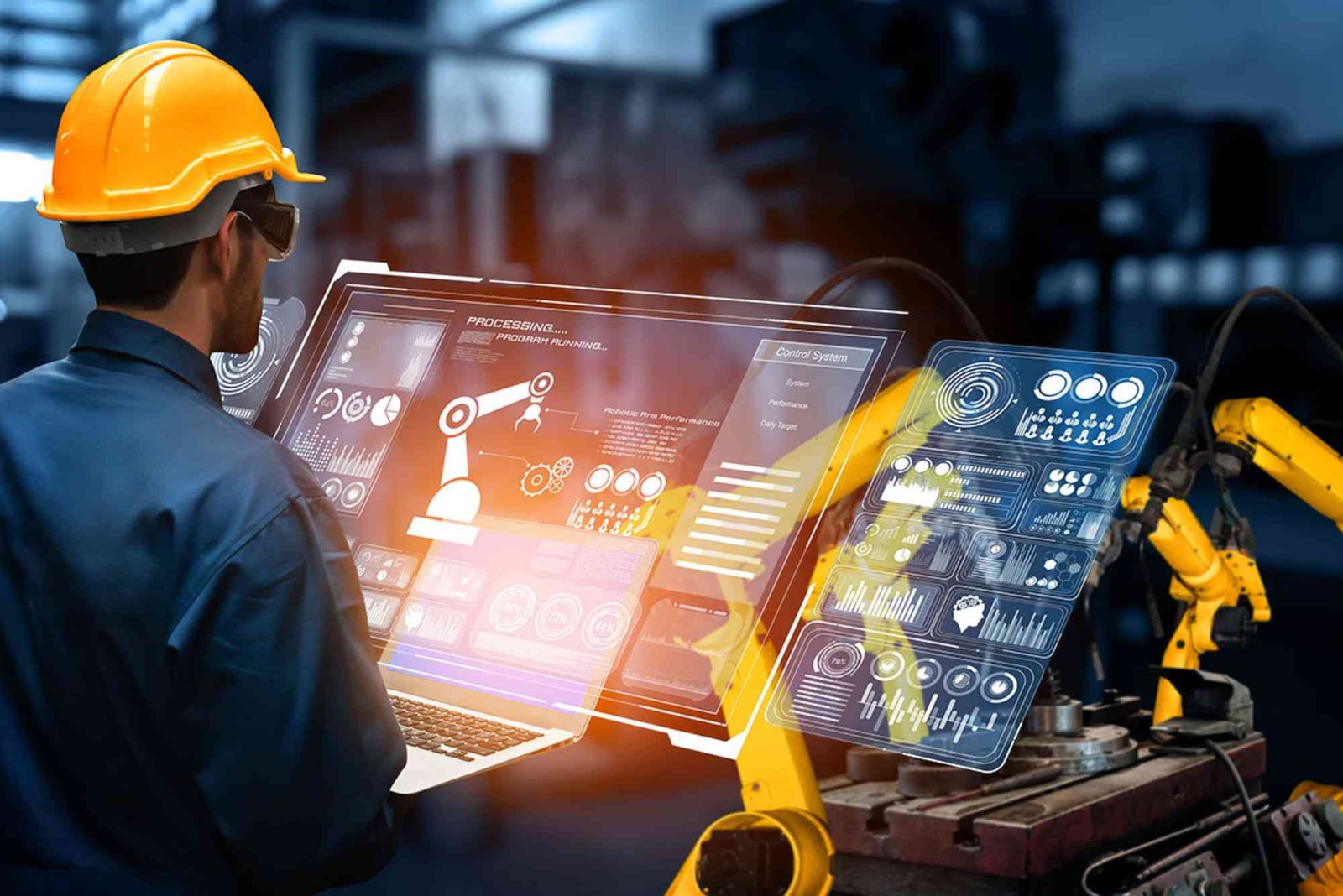
Automation has revolutionized the manufacturing sector. Robots now perform assembly line tasks with precision and speed, reducing human error and operational costs.
Job Displacement in Manufacturing
While productivity increases, automation has displaced many manual labor roles. Jobs in welding, assembly, and packaging are declining in regions heavily reliant on traditional manufacturing.
New Opportunities in Technical Roles
Automation also creates new technical positions. Maintenance engineers, robotics technicians, and systems analysts are in higher demand, requiring advanced skills and training.
Retail and Customer Service
Self-service kiosks, chatbots, and AI-driven customer support are transforming retail and service industries.
Replacing Routine Tasks
Cashier roles and basic customer inquiries are increasingly automated. AI chatbots can handle thousands of customer interactions simultaneously.
Growth in Experience-Oriented Jobs
Automation allows employees to focus on enhancing customer experiences. Roles in customer relationship management, sales strategy, and personalized service are expanding.
Logistics and Transportation
Automated systems are reshaping how goods move worldwide. From warehouse robots to autonomous vehicles, the logistics sector is undergoing a profound transformation.
Job Shifts in Warehousing
Warehouse automation reduces manual lifting and sorting tasks. Workers need to adapt by learning to operate and manage automated systems.
Emerging Roles in Supply Chain Technology
Positions in logistics analytics, fleet management software, and AI-driven route optimization are increasing as technology integrates deeper into operations.
The Positive Impacts of Automation
Increased Productivity and Efficiency
Automation can complete repetitive tasks faster and more accurately than humans. Companies benefit from lower costs, shorter production cycles, and improved quality control.
Creation of High-Skilled Jobs
While some low-skill positions decline, automation generates high-skilled jobs in programming, system maintenance, data analysis, and AI development.
Economic Growth and Innovation
Automation encourages innovation, enabling companies to develop new products, enter new markets, and improve services, ultimately boosting the economy.
The Challenges of Automation
Job Displacement and Unemployment
Certain roles, especially repetitive and predictable ones, are most vulnerable to automation. Workers in these positions face uncertainty unless they acquire new skills.
Skills Gap and Workforce Retraining
Automation demands technological proficiency. Without retraining programs, workers may struggle to transition to new roles, exacerbating inequality.
Economic and Social Implications
Job loss and underemployment can lead to social and economic challenges, including reduced consumer spending, income inequality, and workforce polarization.
How Workers Can Adapt
Embrace Lifelong Learning
Continuous education and upskilling are essential. Learning programming, data analysis, AI management, and digital literacy enhances employability.
Focus on Human-Centric Skills
Creativity, emotional intelligence, problem-solving, and leadership are areas where humans excel over machines. Developing these skills can provide a competitive advantage.
Explore Emerging Industries
Automation creates demand in fields like AI maintenance, renewable energy, robotics design, and digital marketing. Workers can pivot toward these growth sectors.
How Businesses Can Respond
Invest in Employee Training
Companies can mitigate workforce disruption by providing training programs, upskilling opportunities, and career transition support.
Integrate Human-Machine Collaboration
Rather than replacing humans entirely, businesses should focus on collaborative models where machines handle routine tasks, allowing employees to tackle creative and strategic work.
Foster Innovation and Flexibility
Companies must embrace flexible strategies and agile operations to stay competitive in a landscape transformed by automation.
The Future of Jobs in an Automated World
Automation will continue to evolve, creating both opportunities and challenges. The key lies in balancing technological adoption with workforce development. Jobs will not disappear entirely but will change in nature, requiring humans and machines to work together seamlessly. By preparing proactively, workers and businesses can thrive in this new era.
FAQ About the Impact of Automation on Jobs
What jobs are most at risk from automation?
Roles that involve repetitive, predictable tasks are most vulnerable, including assembly line work, cashiers, and basic data entry.
Will automation lead to massive unemployment?
While some positions are displaced, automation also creates high-skilled jobs. The key is adapting through reskilling and education.
How can workers prepare for automation?
Workers should focus on lifelong learning, acquire digital skills, and develop human-centric abilities like creativity and problem-solving.
Does automation only affect low-skilled jobs?
No. Automation impacts all levels, including professional services like accounting and legal research, though higher-skilled jobs often evolve rather than disappear.
Can businesses benefit from automation without reducing staff?
Yes. Automation can enhance efficiency, allowing employees to focus on value-added tasks and strategic decision-making rather than routine work.
The impact of automation on jobs is profound and multifaceted. While some roles face decline, new opportunities are emerging for skilled, adaptable workers. The future of work lies in collaboration between humans and machines, continuous learning, and strategic workforce planning.
To thrive in an automated world, start exploring upskilling opportunities today. Embrace change, develop your unique human skills, and prepare for the exciting possibilities that automation brings.